
.jpeg)
Axitinib latest news: Toripalimab combined with axitinib approved in China for first-line renal cell carcinoma treatment
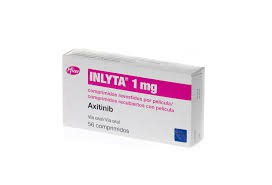
In 2024, the latest news shows that the China National Medical Products Administration has approved toripalimab combined with axitinib (Inlyta) for the first-line treatment of patients with intermediate- and high-risk unresectable or metastatic renal cell carcinoma (RCC).
The regulatory decision is supported by data from the Phase 3 RENOTORCH study (NCT04394975), in which the doublet (n = 210) significantly improved progression-free survival (PFS) as assessed by the Blinded Independent Central Review (BICR) compared with sunitinib (Sutent) monotherapy. n = 211), with a median of 18.0 months (95% CI, 15.0-not evaluable [NE]) and 9.8 months (95% CI, 8.3-13.8) (stratified, HR; 0.65; 95% CI, 0.49)-0.86; P = .0028).2 The 12-month PFS rates were 62.7% and 45.4%; at 24 months, these rates were 44.6% and 30.2%, respectively.
This multicenter, randomized, open-label, active-controlled study This phase 3 study enrolled patients with unresectable or metastatic clear cell renal cell carcinoma (with or without a sarcomatoid component) who had not received prior systemic therapy and had at least 1 measurable lesion according to RECIST v1.1 criteria. Patients also needed to have intermediate- or low-risk disease and an ECOG performance status of 0 or 1 according to the International Metastatic Renal Cell Carcinoma Database Consortium (IMDC) criteria.
Study participants were randomized 1:1 to receive 240 mg toripalimab plus 5 mg axitinib twice daily or 50 mg sunitinib once daily every 3 weeks for weeks of a 6-week cycle or 2 weeks of a 3-week cycle. They continued treatment until intolerable toxicity or disease progression. Patients were stratified by IMDC risk group (intermediate versus poor risk).
The primary endpoint is PFS according to BICR and RECIST v1.1 criteria, and secondary endpoints include overall response rate (ORR), overall survival (OS), investigator-assessed PFS, duration of response (DOR), disease control rate (DCR), 1- and 2-year OS rates, and safety.
The median age of patients is 60.0 years (range, 20-78 years), with 67.2% of patients under 65 years of age. More than half of the patients were male (75.8%), and 51.8% had an ECOG performance status of 0. In addition, 56.8% of patients had a performance status score of 90 to 100, and 43.2% had a score of 70 to 100. 80. In terms of IMDC risk groups, 81.5% had intermediate-risk disease and the remaining 18.5% had low-risk disease. Sixty-one percent of patients had metastatic disease in 2 or more organs. Metastatic sites included lung (68.6%), bone (21.6%), and liver (15.4%). More than half of the patients (62.2%) had undergone previous nephrectomy.
Additional data presented at ESMO Congress 2023 showed that the doublet performed better than sunitinib in all subgroups evaluated in the study.
Median investigator-assessed PFS with toripalimab plus axitinib was 18.0 months (95% CI, 14.9-20.4) compared with 10.4 months (95% CI, 8.4-12.4) with sunitinib alone (stratified HR, 0.57; 95% CI, 0.44-0.75) ; P <.0001). The 12-month PFS rates in these groups were 64.8% and 43.7%, and the 24-month PFS rates were 40.4% and 17.8%.
Additionally, dual therapy had an ORR of 51.9% as assessed by BICR, compared with sunitinib monotherapy, which had an ORR of 27.0% ( P < .0001). According to the investigator's assessment, these rates were 56.2% and 29.9%, respectively. The median DOR for BICR was NE (95% CI, 20.5-NE) with toripalimab plus axitinib versus 16.7 months (95% CI, 9.7-NE) with sunitinib (stratified HR, 0.614; 95% CI, 0.340-1.137).
OS was NE (95% CI, NE-NE) in the doublet arm compared with 26.8 months (95% CI, 24.5-NE) in the sunitinib arm (stratified HR, 0.61; 95% CI, 0.40-0.92; nominal P = 0.0186). The 12-month and 24-month OS rates were 90.5% and 71.8%, respectively, in the toripalimab/axitinib arm; in the sunitinib-alone arm, these rates were 81.9% and 63.2%, respectively.
In terms of safety, there were Treatment-emergent adverse effects (TEAEs) of any grade occurred in 99.5% of patients compared with 99.5% of patients receiving monotherapy; 71.2% and 67.1%, respectively, of these effects were grade 3 or above in severity. Serious AEs occurred in 44.7% of patients treated with toripalimab plus axitinib and in 28.6% of patients treated with sunitinib. Immune-related toxicities occurred in 35.1% of patients treated with toripalimab plus axitinib compared with 0.5% of patients treated with sunitinib; 14.4% of AEs in both arms were grade 3 or higher. Infusion-related reactions occurred in 4.3% of patients in the toripalimab/axitinib group.
TEAEs resulted in dose discontinuation of any drug in 69.2% of patients in the dual-therapy group compared with 43.3% in the monotherapy group, with discontinuation rates of 14.4% and 8.1%, respectively. In the dual arm, 3.8% of patients experienced a TEAE leading to death; in the monotherapy arm this rate was 2.4%.
Treatment-related AEs reported in 20% or more of patients in both groups included hypertension, hypothyroidism, proteinuria, diarrhea, increased aspartate and alanine aminotransferases, fatigue, increased blood thyroid-stimulating hormone, hand-foot syndrome, weight loss, anemia, decreased platelet count, increased serum creatinine, decreased white blood cell count, and decreased neutrophil count.
[ 免责声明 ] 本页面内容来自公开渠道(如FDA官网、Drugs官网、原研药厂官网等),仅供持有医疗专业资质的人员用于医学药学研究参考,不构成任何治疗建议或药品推荐。所涉药品可能未在中国大陆获批上市,不适用于中国境内销售和使用。如需治疗,请咨询正规医疗机构。本站不提供药品销售或代购服务。


