
.jpeg)
Lenvatinib resistance phenomenon and countermeasures
Lenvatinib, as an effective targeted therapy drug, plays an important role in fighting malignant tumors such as thyroid cancer and liver cancer. However, as treatment progresses, some patients may develop drug resistance. This article will discuss in detail the resistance time, mechanism and corresponding treatment strategies of lenvatinib.
1. Resistance cycle of lenvatinib
Resistance to targeted drugs is a major problem in the treatment process, and lenvatinib is no exception. The time point at which patients develop resistance is not uniform. Some may develop resistance in just a few months, while others may continue to use it for several years. The length of the drug resistance cycle is affected by multiple factors such as the type of tumor, the genetic characteristics of the patient, and the development stage of the disease.
2. Causes of resistance to lenvatinib
1.Target mutation: Tumor cells can change the target structure on their surface through gene mutations or other methods, or adjust the signal transduction pathways within the cells, thereby rendering the original inhibitory effect of lenvatinib ineffective.
2.Drug efflux: Some tumor cells can enhance the efflux ability of drugs, or reduce the efficiency of drug entry into cells, resulting in a decrease in the effective concentration of lenvatinib inside the cells, making it impossible to achieve the expected therapeutic effect.
3.Adjustment of the tumor microenvironment: For example, angiogenic factors within the tumor may increase, or the interactions between tumor cells may become more complex. These changes may weaken the therapeutic effect of lenvatinib.
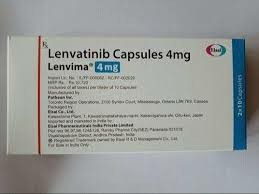
3. How to deal with lenvatinib resistance
1.Treatment plan updates: Once drug resistance is discovered, doctors will consider changing to other types of targeted drugs or combining chemotherapy drugs according to the patient's specific conditions in order to achieve better therapeutic effects.
2.Personalized treatment strategy: Based on the patient's specific genotype and resistance mechanism, doctors will design a more precise treatment plan, which may involve the use of specific targeted drugs or a combination of multiple drugs.
3.Clinical trial participation: For drug-resistant tumors, patients can consider participating in relevant clinical trials to try new treatment strategies or drugs that are in the experimental stage.
4.Comprehensive supportive treatment: During the treatment, doctors will pay attention to the patient's diet, nutrition and psychological state, and provide necessary support to improve the patient's quality of life and immunity.
4. Drug resistance prevention methods
1.Follow the doctor’s instructions: Patients should take lenvatinib strictly in accordance with the doctor’s instructions and should not change the dosage or frequency of medication at will to reduce the risk of drug resistance.
2.Regular monitoring: Monitor the treatment response in a timely manner through regular imaging examinations, blood tests and other means, so that the treatment plan can be quickly adjusted when drug resistance occurs.
3.Personalized treatment plan: According to the specific situation of each patient, a treatment plan is formulated that is consistent with the characteristics of his or her genes and disease to improve the pertinence and effectiveness of the treatment.
The problem of resistance to lenvatinib is a major challenge in the treatment process, but through reasonable treatment strategies, close cooperation between doctors and patients, and scientific resistance monitoring, we are expected to deal with this problem more effectively, thereby improving the treatment effect and quality of life of patients.
[ 免责声明 ] 本页面内容来自公开渠道(如FDA官网、Drugs官网、原研药厂官网等),仅供持有医疗专业资质的人员用于医学药学研究参考,不构成任何治疗建议或药品推荐。所涉药品可能未在中国大陆获批上市,不适用于中国境内销售和使用。如需治疗,请咨询正规医疗机构。本站不提供药品销售或代购服务。


