
.jpeg)
Can sunitinib cure kidney cancer?
Sunitinib (Sunitinib) is an oral treatment drug for various cancer types, especially in the treatment of kidney cancer, it plays an important role. Sunitinib does not directly cure kidney cancer. Renal cancer is a malignant tumor originating from the renal tubular epithelium. Its incidence is usually related to genetics, smoking, obesity and other factors, and is complex and diverse. Therefore, there is currently no drug that can guarantee a complete cure for kidney cancer.
Sunitinib does show some efficacy in the treatment of kidney cancer. It is a multi-target receptor tyrosine kinase inhibitor that can inhibit the formation of tumor new blood vessels, thereby blocking the growth and spread of tumor cells. In addition, sunitinib can further inhibit tumor growth by inhibiting angiogenesis of tumor cells.
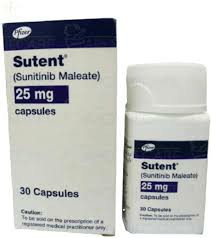
Clinically, sunitinib is mainly used to treat advanced renal cell carcinoma. For patients with inoperable renal cell carcinoma, sunitinib provides an effective treatment. By inhibiting the growth and spread of tumors, sunitinib can help patients control their disease, extend survival, and improve their quality of life.
However, sunitinib also has certain side effects, such as hypertension, proteinuria, hand-foot syndrome, etc. Therefore, when using sunitinib, patients need to do it under the guidance of a doctor and undergo regular physical examinations and blood tests to monitor the drug's efficacy and occurrence of adverse reactions.
In short, sunitinib has certain efficacy in the treatment of kidney cancer, but it cannot directly cure kidney cancer. For kidney cancer patients, choosing an appropriate treatment plan and conducting standardized treatment under the guidance of a doctor are the keys to controlling the disease, prolonging survival, and improving quality of life.
[ 免责声明 ] 本页面内容来自公开渠道(如FDA官网、Drugs官网、原研药厂官网等),仅供持有医疗专业资质的人员用于医学药学研究参考,不构成任何治疗建议或药品推荐。所涉药品可能未在中国大陆获批上市,不适用于中国境内销售和使用。如需治疗,请咨询正规医疗机构。本站不提供药品销售或代购服务。


