
.jpeg)
How long can you live after taking sunitinib?
Sunitinib (Sunitinib), as a new multi-targeted oral drug for the treatment of tumors, is widely used to treat a variety of cancers, especially gastrointestinal stromal tumors, metastatic renal cell carcinoma, etc. A patient's underlying health status has a significant impact on survival. Patients may survive longer if they are in relatively good health and have no other serious comorbidities before starting sunitinib.
The type and stage of cancer are also key factors in determining survival. Patients with early-stage cancer have better prognosis and longer survival than those with late-stage cancer. Sunitinib is particularly effective against certain types of cancer, so survival may be longer in these cancers.
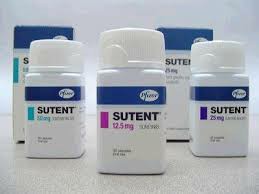
Patient responses to sunitinib also vary. Some patients may be very sensitive to the drug and have their tumors shrink rapidly or remain stable, and such patients usually have longer survival. However, some patients may be insensitive to drugs or quickly develop drug resistance, which may affect their survival. In addition to the above factors, the patient's mental state, living habits, nutritional status, and whether he or she receives other adjuvant treatments will also have an impact on survival.
In general, how long one can live after taking sunitinib is a complex issue involving many factors. Therefore, a definite answer cannot be given. For patients, the most important thing is to actively cooperate with the doctor's treatment suggestions and maintain a good mentality and living habits in order to achieve the best treatment effect.
At the same time, with the continuous advancement of medicine, new treatments and drugs are constantly emerging, providing patients with more choices and hope. Therefore, even when faced with a serious disease like cancer, one should not give up confidence and hope in treatment.
[ 免责声明 ] 本页面内容来自公开渠道(如FDA官网、Drugs官网、原研药厂官网等),仅供持有医疗专业资质的人员用于医学药学研究参考,不构成任何治疗建议或药品推荐。所涉药品可能未在中国大陆获批上市,不适用于中国境内销售和使用。如需治疗,请咨询正规医疗机构。本站不提供药品销售或代购服务。


