
.jpeg)
Is there a better fourth-generation drug than lorlatinib?
As of2024,lorlatinib (lorlatinib) remains one of the most representative drugs among the fourth generationALK (anaplastic lymphoma kinase) inhibitors. It is mainly used to treat patients with ALK-positive non-small cell lung cancer (NSCLC), especially those who are resistant to first- and second-generation ALK inhibitors. Lorlatinib is highly regarded for its excellent penetration of brain metastases and broad spectrum of resistance-resistant mutations.
Despite lorlatinib showing remarkable efficacy, scientists and pharmaceutical companies have not stopped developing new generations ofALK inhibitors. Currently, there are no clear fourth-generation ALK inhibitors that have been completely proven to be superior to lorlatinib (lorlatinib), but some new drugs are showing potential in clinical trials.
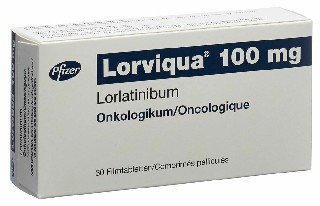
Before discussing drugs that may be superior to lorlatinib (lorlatinib), it is helpful to understand the background of their development and mechanisms of action. Lorlatinib (lorlatinib) The previous major ALK inhibitors include crizotinib (Crizotinib), alectinib (Alectinib), brigatinib (Brigatinib) and ceritinib (Ceritinib). These drugs have demonstrated their respective advantages and disadvantages at different clinical stages.
Lorlatinib, a fourth-generation ALK inhibitor, is designed to overcome resistance to previous drugs, including inhibition of the G1202R mutation. This mutation is responsible for the failure of many second-generation inhibitors. Lorlatinib (lorlatinib) demonstrates the ability to inhibit a wide range of ALK mutations and can effectively penetrate the blood-brain barrier to treat brain metastases.
Currently, researchers are working on developing a new generation ofALK inhibitors that can further improve efficacy and reduce side effects. Although the specific drug names and clinical trial data have not yet been fully announced, some new drugs are undergoing early clinical trials and have demonstrated stronger mutation suppression capabilities and fewer side effects than lorlatinib (lorlatinib).
Overall, whilelorlatinib currently remains an important treatment option for patients withALKpositive non-small cell lung cancer, research and development has not stalled. New generationALK inhibitors are undergoing clinical trials and are expected to provide better treatment options in the near future. These new drugs are designed to overcome resistance to existing drugs, improve efficacy, and reduce side effects, thereby further improving patients' quality of life and survival. Until these new drugs are fully validated and widely used, lorlatinib (lorlatinib)will maintain its important position among the fourth-generationALKinhibitors.
[ 免责声明 ] 本页面内容来自公开渠道(如FDA官网、Drugs官网、原研药厂官网等),仅供持有医疗专业资质的人员用于医学药学研究参考,不构成任何治疗建议或药品推荐。所涉药品可能未在中国大陆获批上市,不适用于中国境内销售和使用。如需治疗,请咨询正规医疗机构。本站不提供药品销售或代购服务。


