
.jpeg)
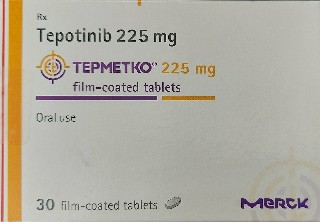
New generation lung cancer targeted drug Tepotinib
Tepotinib (Tepotinib) is a new generation of lung cancer targeted drugs recently developed and is often regarded as a representative of the second or third generation tyrosine kinase inhibitors (TKI). It mainly targets the mesenchymal epidermal transforming factor receptor (MET), especially for metastatic non-small cell lung cancer (NSCLC) with skipping mutations in METexon14.
The development history of targeted drugs can be said to have gone through many iterations:
The original first-generation TKI, such as erlotinib and gefitinib, mainly focused on the epidermal growth factor receptor (EGFR) and inhibited the proliferation of cancer cells by inhibiting EGFR.
The subsequent second-generation TKI expanded the target range, including not only EGFR, but also ALK, MET and other receptors, effectively solving the resistance problem of some first-generation drugs.
With the third generationTKI, drug design is more precise, targeting specific gene mutations and drug resistance mechanisms, with stronger selectivity and lower toxicity.
In this context, Tepotinib emerged, which is highly specific for METexon14 skipping mutations. Although this mutation is uncommon in patients with NSCLC, it plays a key role in driving the disease. Tepotinib can precisely inhibit the tyrosine kinase activity of the MET receptor, thereby blocking tumor signal transduction and effectively controlling tumor growth and metastasis.
After verification in clinical trials, tepotinib has shown impressive therapeutic effects, and its side effects are also controllable. For patients who respond poorly to traditional chemotherapy and other targeted therapies, tepotinib provides a new treatment option that not only extends patients' survival but also significantly improves their quality of life.
In summary, tepotinib, as a new tyrosine kinase inhibitor, brings new hope to patients with metastatic non-small cell lung cancer with METexon14 skipping mutations. Its emergence undoubtedly marks another major advancement in the field of targeted therapy drugs, and also highlights the infinite possibilities of precision medicine in the war against cancer.
[ 免责声明 ] 本页面内容来自公开渠道(如FDA官网、Drugs官网、原研药厂官网等),仅供持有医疗专业资质的人员用于医学药学研究参考,不构成任何治疗建议或药品推荐。所涉药品可能未在中国大陆获批上市,不适用于中国境内销售和使用。如需治疗,请咨询正规医疗机构。本站不提供药品销售或代购服务。


