
.jpeg)
Effect of tepotinib on survival of patients with stage 3A lung adenocarcinoma after surgery
Tepotinib (Tepotinib), as a tyrosine stimulator targeting MET exon 14 skipping mutations Enzyme inhibitors (TKI) provide new hope for the treatment of patients with metastatic non-small cell lung cancer (NSCLC) with this specific mutation. For patients undergoing surgery for stage 3A lung adenocarcinoma, tepotinib may become an important treatment option if genetic testing confirms the presence of a MET exon 14 skipping mutation.
Lung adenocarcinoma Stage 3A indicates that the cancer has entered the locally advanced stage. At this time, the tumor may have invaded nearby lymph nodes, but has not yet metastasized to distant locations. Conventional treatment strategies usually include a combination of surgery, radiotherapy, and chemotherapy. The core purpose of postoperative adjuvant therapy is to reduce the probability of cancer recurrence, thereby prolonging the patient's disease-free survival and overall survival.
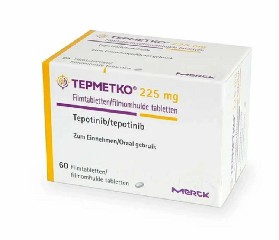
The mechanism of action of Tepotinib is to inhibit the tyrosine kinase activity of theMET receptor, thereby interrupting its signal transduction and effectively curbing the growth and spread of tumor cells. For patients with METexon14 skipping mutations, this drug can significantly slow down the progression of the disease and improve the patient's survival rate.
Based on recent clinical trial results, such as the METROS and VISION studies, tepotinib is effective in treating Remarkable efficacy has been achieved in patients with METexon14 skipping mutationsNSCLC. Data show that the median progression-free survival of patients treated with tepotinib can reach 8-11 months, and overall survival data are still being collected.
For patients who have undergone surgery for stage 3A lung adenocarcinoma and are diagnosed with METexon14For patients with skipping mutations, tepotinib is expected to be an efficient adjuvant treatment. Although most of the existing data come from studies of metastatic NSCLC, we can reasonably speculate that the application of tepotinib in postoperative adjuvant therapy will help delay the recurrence of the disease, prolong the disease-free survival of patients, and may even have a positive impact on improving overall survival.
[ 免责声明 ] 本页面内容来自公开渠道(如FDA官网、Drugs官网、原研药厂官网等),仅供持有医疗专业资质的人员用于医学药学研究参考,不构成任何治疗建议或药品推荐。所涉药品可能未在中国大陆获批上市,不适用于中国境内销售和使用。如需治疗,请咨询正规医疗机构。本站不提供药品销售或代购服务。


