
.jpeg)
Efficacy and side effects of crizotinib/Xalkori
Crizotinib/Crizotinib is a tyrosine kinase receptor inhibitor mainly used to treat ALK-positive patients in non-small cell lung cancer (NSCLC). In addition, it may also be used in other types of cancer, such as anaplastic large cell lymphoma (ALCL) and inflammatory myofibroblastic tumor (IMT). Crizotinib targets anaplastic lymphoma kinase (ALK), hepatocyte growth factor receptor (HGFR, c-MET), ROS 1 (c-ROS), and receptor d'origine Nantais (RON).
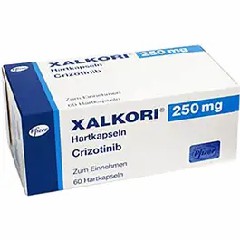
Crizotinib inhibits ALK by inhibiting its phosphorylation and producing an inactive protein conformation. This ultimately reduces the proliferation and tumor survival of cells carrying this genetic mutation. In a Phase I study, 37 patients with multiple refractory solid tumor cancers received 50 to 300 mg of crizotinib daily or twice daily. Within this group, two patients with non-small cell lung cancer (NSCLC) who exhibited echinoderm microtubule-associated protein-like 4 (EML 4)-anaplastic lymphoma kinase (ALK) mutations responded to treatment; therefore, the following study focused on patients with advanced ALK-positive disease. In this group of patients, the six-month progression-free survival rate for crizotinib users was approximately 72%. ALK mutation-positive patients who received crizotinib had a higher two-year overall survival rate compared with those who did not receive crizotinib (54% vs. 36%).
In pediatric and young adult patients with anaplastic large cell lymphoma (ALCL) or pediatric patients with inflammatory myofibroblastic tumor (IMT), use of crizotinib may result in hepatotoxicity, interstitial lung disease (ILD), pneumonitis, QT prolongation, bradycardia, severe vision loss, embryo-fetal toxicity, and gastrointestinal toxicity.
[ 免责声明 ] 本页面内容来自公开渠道(如FDA官网、Drugs官网、原研药厂官网等),仅供持有医疗专业资质的人员用于医学药学研究参考,不构成任何治疗建议或药品推荐。所涉药品可能未在中国大陆获批上市,不适用于中国境内销售和使用。如需治疗,请咨询正规医疗机构。本站不提供药品销售或代购服务。


