
.jpeg)
Is Crizotinib/Xalkori useful for anti-aging?
Crizotinib/Crizotinib is a small molecule tyrosine kinase inhibitor that targets certain types of lung cancer and other cancers. It mainly prevents the growth and spread of cancer cells by inhibiting abnormally active tyrosine kinase signaling pathways, such as ALK and ROS1. This drug has achieved remarkable results in the field of cancer treatment, providing new treatment options for many patients.
However, there is currently insufficient scientific evidence to support the claim that crizotinib has anti-aging effects. Anti-aging is a complex process involving multiple biological mechanisms and systems. Although some cancer drugs may have an impact on certain biological processes associated with aging, this does not mean that they can be used directly as anti-aging drugs.
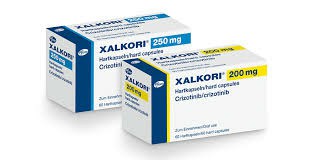
Crizotinib's primary action is to inhibit specific tyrosine kinases that are hyperactive in cancer but are not necessarily major regulators of normal aging. Therefore, the use of crizotinib for antiaging may not be targeted. Medication use often comes with side effects and risks. Crizotinib may cause a series of adverse reactions when treating cancer, such as visual impairment, nausea, vomiting, etc. If used for anti-aging purposes, it may increase unnecessary health risks.
In addition, anti-aging is a comprehensive process that requires comprehensive consideration of diet, exercise, lifestyle and other factors. Long-term anti-aging cannot be achieved by relying solely on medications.
Therefore, although crizotinib has achieved remarkable results in cancer treatment, it is not suitable for use as an anti-aging drug. Anti-aging requires a combination of various means and methods, including a healthy lifestyle, a balanced diet, moderate exercise, etc.
[ 免责声明 ] 本页面内容来自公开渠道(如FDA官网、Drugs官网、原研药厂官网等),仅供持有医疗专业资质的人员用于医学药学研究参考,不构成任何治疗建议或药品推荐。所涉药品可能未在中国大陆获批上市,不适用于中国境内销售和使用。如需治疗,请咨询正规医疗机构。本站不提供药品销售或代购服务。


