
.jpeg)
Is baricitinib suitable for treating fungal infections?
Baricitinib is a JAK inhibitor that is mainly used to treat autoimmune diseases, such as rheumatoid arthritis, rather than fungal infections.
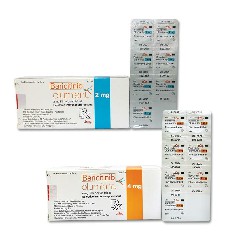
Baricitinib is indicated for the treatment of adult patients with moderately to severely active rheumatoid arthritis who have had inadequate response to or are intolerant to one or more antirheumatic drugs (DMARD ). It relieves joint swelling and pain caused by rheumatoid arthritis by inhibiting intracellular signaling and reducing inflammation and immune responses. In addition, baricitinib has also shown therapeutic effects on other autoimmune diseases, such as ankylosing spondylitis, psoriasis, atopic dermatitis, etc. in clinical trials. However, these indications are mainly concentrated in the field of autoimmune diseases and are not directly related to fungal infections.
Fungal infections are diseases caused by pathogenic fungi or opportunistic pathogens. Treatment of fungal infections usually requires the use of antifungal drugs, such as azoles (such as clotrimazole, miconazole, etc.) or polyene drugs (such as nystatin, etc.). These drugs can directly kill or inhibit the growth of fungi, thereby effectively controlling the infection. As an immunosuppressant, baricitinib does not have the ability to directly kill or inhibit fungi.
It is worth noting that the use of immunosuppressants such as baricitinib may increase the patient's risk of infection. This is because immunosuppressants reduce the function of the immune system, making patients more susceptible to various pathogens. Therefore, when using immunosuppressants such as baricitinib, doctors need to closely monitor the patient's infection and adjust the treatment plan as needed.
[ 免责声明 ] 本页面内容来自公开渠道(如FDA官网、Drugs官网、原研药厂官网等),仅供持有医疗专业资质的人员用于医学药学研究参考,不构成任何治疗建议或药品推荐。所涉药品可能未在中国大陆获批上市,不适用于中国境内销售和使用。如需治疗,请咨询正规医疗机构。本站不提供药品销售或代购服务。


