
.jpeg)
Is cabozantinib effective for lung cancer?
The effect of cabozantinib in patients with lung cancer varies depending on individual differences and specific conditions, but in general, cabozantinib has shown certain efficacy in the treatment of lung cancer.
Cabozantinib is a multi-target anti-tumor drug that can inhibit the activities of multiple tyrosine kinases related to tumor growth and metastasis. These targets include RET, ROS1, etc. By inhibiting the activity of these kinases, cabozantinib can effectively control the growth and spread of tumor cells.
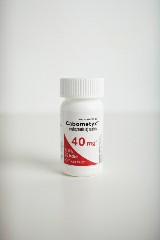
In clinical trials, cabozantinib has shown certain efficacy in the treatment of RET rearranged non-small cell lung cancer (NSCLC). For example, in one study, the effective rate of cabozantinib in treating RET rearrangement NSCLC reached 44%, and its response period was comparable to other targeted drugs. Although its efficacy is not as good as ALK inhibitors, it is better than BRAF inhibitors. In addition, cabozantinib is also recommended by NCCN guidelines for use in patients with RET rearranged non-small cell lung cancer.
In addition to monotherapy, cabozantinib can be used in combination with other drugs to enhance the therapeutic effect. For example, studies have shown that in patients with EGFR-positive NSCLC, combined treatment with erlotinib and cabozantinib can achieve a disease control rate of up to 67.6% and significantly reduce the tumor growth rate.
Although cabozantinib has shown certain efficacy in the treatment of lung cancer, patients also need to pay attention to its possible adverse reactions. Common adverse reactions include diarrhea, loss of appetite, fatigue, nausea, vomiting, high blood pressure and weakness. When using cabozantinib, patients should pay close attention to these adverse reactions and communicate with their doctors in a timely manner to adjust the treatment plan.
[ 免责声明 ] 本页面内容来自公开渠道(如FDA官网、Drugs官网、原研药厂官网等),仅供持有医疗专业资质的人员用于医学药学研究参考,不构成任何治疗建议或药品推荐。所涉药品可能未在中国大陆获批上市,不适用于中国境内销售和使用。如需治疗,请咨询正规医疗机构。本站不提供药品销售或代购服务。


