
.jpeg)
Analysis of the efficacy and potential risks of capmatinib
Capmatinib, chemically namedCapmatinib, is targeted at a special type of lung cancer——carryingMET gene14 Targeted therapeutic drug for advanced or metastatic non-small cell lung cancer (NSCLC) with exon skipping mutation (referred to as METex14). This drug precisely attacks the MET receptor and regulates the MET signaling pathway, thereby inhibiting tumor growth and spread, and provides new treatment hope for METex14 mutated NSCLC patients.
Capmatinib Unique efficacy
1.Precision targeted therapy:Capatinib (Capatinib) with its high specificity, directly acts on the MET receptor, especially in those lung cancer cells with METex14 mutations, it can exert its unique therapeutic effect. METex14Although mutation is uncommon, it plays a key role in the occurrence, progression and metastasis of lung cancer. Capatinib (Capatinib) can effectively inhibit the activation of this mutant receptor, thereby inhibiting the proliferation of cancer cells.
2.Significant anti-tumor activity: By blocking MET signals, Capatinib (Capatinib) can significantly slow down or even prevent the growth and spread of tumors, which is crucial for curbing cancer progression and preventing cancer cell metastasis. For METex14mutatedNSCLC patients, this drug can not only prolong survival, but also improve their quality of life.
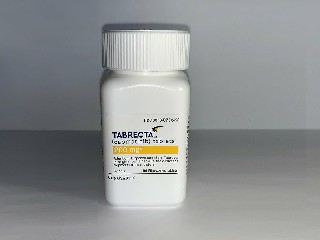
Potential Risks of Capmatinib (Capatinib)
However, like many powerful drugs, capmatinib (capatinib) may also cause some adverse effects while providing therapeutic benefits.
1.Effects on liver function: Some patients may experience abnormal liver function after taking capmatinib , which may be manifested as increased liver enzyme levels or even jaundice. Therefore, liver function tests should be performed regularly during treatment to ensure that such problems are discovered and properly dealt with in a timely manner.
2.Gastrointestinal discomfort: Gastrointestinal problems including nausea, vomiting, diarrhea, and indigestion are common side effects of capmatinib. Although most of these symptoms are mild, they may still cause some trouble to the patient's life. If necessary, your doctor may adjust the dosage of your medication or combine it with other medications to reduce these discomforts.
3.Fatigue: During treatment, patients may feel tired and weak. These symptoms are usually temporary, but may still affect the patient's ability to perform daily life and work.
4.Other reactions: Adverse reactions such as rash, headache or joint pain may also occur. Patients need to pay close attention to their physical condition and report to their doctor immediately if they feel unwell.
In general, althoughcapatinib may cause some side effects, most patients can effectively control these symptoms by adjusting the treatment plan, taking supportive care, or temporarily discontinuing the drug. Importantly, the therapeutic effects of capatiniboften provide significant benefit to patients. Therefore, patients should pay close attention to their own conditions during treatment, strictly follow medical instructions, and undergo regular review and monitoring to ensure the safety and effectiveness of treatment.
[ 免责声明 ] 本页面内容来自公开渠道(如FDA官网、Drugs官网、原研药厂官网等),仅供持有医疗专业资质的人员用于医学药学研究参考,不构成任何治疗建议或药品推荐。所涉药品可能未在中国大陆获批上市,不适用于中国境内销售和使用。如需治疗,请咨询正规医疗机构。本站不提供药品销售或代购服务。


