
.jpeg)
Detailed explanation of possible adverse reactions caused by capmatinib
Capmatinib, also known asCapmatinib, is an important targeted therapy for certain types of advanced or metastatic non-small cell lung cancer (NSCLC). Especially for cases carrying METgene 14 exon skipping mutation (METex14). Although capmatinib (capatinib) has shown significant efficacy in treating this type of lung cancer, like other drugs, it can also come with a range of adverse effects. Next, we will discuss in detail the main adverse reactions that may be caused by capmatinib (capatinib).
Abnormal liver function is a problem that may arise during treatment with capatinib (capatinib). The specific manifestation is an increase in liver enzyme levels, such as an increase in serum alanine aminotransferase (ALT) and serum aspartate aminotransferase (AST). This may be the result of the drug having a certain impact on the liver. In addition, there are reports that the use of capmatinib may cause cholestasis, leading to symptoms such as jaundice, which are signs of abnormal liver function
In the gastrointestinal tract, Capmatinib may cause a series of unpleasant reactions. Nausea and vomiting are digestive tract problems that patients often experience during treatment. These symptoms may affect the patient's appetite and nutrient absorption, leading to weight loss and malnutrition. In addition, diarrhea is also a common side effect of this drug, which may be caused by the irritating effect of the drug on the gastrointestinal mucosa. If diarrhea is severe, it can lead to dehydration and electrolyte imbalances, which need to be treated and managed promptly.
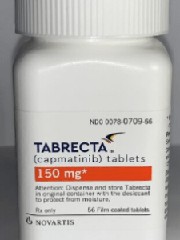
In addition to the above reactions, fatigue is also a common problem duringcapatinib treatment. Patients may experience weakness and fatigue while taking the medication, which may affect their daily life and work performance. Therefore, proper rest and fatigue management become particularly important.
In skin,Capatinib (capatinib)May cause some toxic reactions. For example, skin rash is a problem that many patients experience while using this drug. These rashes may appear on different parts of the body, and although they are usually mild to moderate, in some cases they may worsen, affecting the patient's quality of life. In addition, dry skin and itching are also possible symptoms of discomfort, which may be related to the direct effect of the drug on the skin.
Visual impairment is another adverse effect of concern. Some patients may experience blurred vision while receiving capmatinib, which may be the result of some effect of the drug on the eyes or visual system. Therefore, patients should seek immediate medical help when they experience vision problems.
There are other possible adverse effects, such as headache and joint pain. These symptoms may be related to the drug's effects on the nervous system or joint muscles.
In summary,Capatinib (Capatinib) is an effective targeted therapy for lung cancer. Although it brings new treatment hope to patients with specific types of lung cancer, it may also be accompanied by a series of adverse reactions during use. These reactions may not only affect patients' quality of life but also their compliance with treatment. Therefore, patients should pay close attention to their physical condition when receiving capmatinib (capatinib) treatment and promptly report any discomfort to the doctor so that the doctor can promptly adjust the treatment plan and provide necessary supportive treatment.
[ 免责声明 ] 本页面内容来自公开渠道(如FDA官网、Drugs官网、原研药厂官网等),仅供持有医疗专业资质的人员用于医学药学研究参考,不构成任何治疗建议或药品推荐。所涉药品可能未在中国大陆获批上市,不适用于中国境内销售和使用。如需治疗,请咨询正规医疗机构。本站不提供药品销售或代购服务。


