
.jpeg)
Potential risks and countermeasures of capmatinib in the treatment of lung cancer
Capatinib , a targeted drug specially designed to treat advanced or metastatic non-small cell lung cancer (NSCLC) carrying exon skipping mutations of METgene14, has attracted much attention for its excellent anti-tumor growth and metastasis effects. However, like many powerful drugs, capmatinib may come with a range of side effects. For patients and their caregivers, a comprehensive understanding of these potential risks and appropriate response measures are key to ensuring treatment effectiveness and patient quality of life.
While taking Capatinib , patients may experience the following common side effects:
The first is gastrointestinal discomfort. This includes symptoms such as nausea, vomiting, diarrhea, and indigestion. To alleviate these discomforts, patients can try to eat smaller meals more frequently, avoid spicy and greasy foods, and ensure adequate hydration. With your doctor's advice, you may also consider using antiemetics or anti-acid medications to help control symptoms.
Skin reactions are another common side effect and may appear as rash, itching, dry skin, and flaking. Faced with such problems, it is crucial to keep your skin clean and moisturized. Patients should avoid harsh cosmetics or toiletries and use gentle cleansing and moisturizing products instead. When symptoms are severe, your doctor may recommend topical corticosteroids or anti-allergy medications.
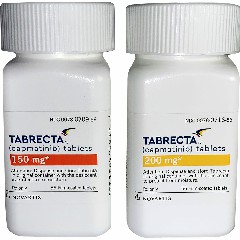
Patients takingcapatinib may also experience unusual fatigue. In order to cope with this condition, patients should avoid excessive physical activity, maintain good sleep habits, and reasonably arrange rest and work in daily life.
Abnormal liver function is also a point of concern. This may manifest as elevated liver enzymes or even jaundice. To prevent and detect such problems early, patients should have regular liver function tests and avoid drinking alcohol and taking drugs that may damage the liver. If necessary, your doctor may adjust the dose of your medication or temporarily stop it.
Visual disturbances, such as blurred vision and dry eye, are also potential side effects. To reduce these symptoms, patients should reduce prolonged use of electronic devices, keep indoor lighting appropriate, and avoid prolonged exposure to bright light. Eye drops can also be used to relieve symptoms when needed.
For possible cardiovascular problems, such as arrhythmia and hypertension, patients should regularly monitor blood pressure and heart rate and strictly follow the doctor's instructions for treatment. If necessary, the doctor may adjust the patient's medication regimen.
Finally, other side effects such as headache, joint pain, and muscle pain may occur. For these symptoms, appropriate rest, massage and other physical therapies may help. In more severe cases, your doctor may also consider prescribing painkillers.
In general,Capatinib , as a powerful targeted therapy, may bring a series of side effects, but through reasonable prevention and response measures, these adverse effects can be effectively managed. Patients and caregivers should pay close attention to the patient's physical condition, communicate with the doctor in a timely manner, and strictly follow the doctor's instructions to ensure the treatment effect and the patient's overall health.
[ 免责声明 ] 本页面内容来自公开渠道(如FDA官网、Drugs官网、原研药厂官网等),仅供持有医疗专业资质的人员用于医学药学研究参考,不构成任何治疗建议或药品推荐。所涉药品可能未在中国大陆获批上市,不适用于中国境内销售和使用。如需治疗,请咨询正规医疗机构。本站不提供药品销售或代购服务。


