
.jpeg)
Capmatinib (capatinib) resistance emergence time and response strategies
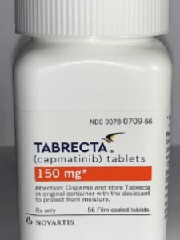
Capmatinib , as a targeted drug for advanced or metastatic non-small cell lung cancer (NSCLC) carrying METgene 14 exon skipping mutation, has remarkable efficacy and has received widespread attention from the medical community. However, as treatment progresses, some patients may develop drug resistance, which undoubtedly brings new challenges to treatment. This article will delve into the causes and countermeasures of capmatinib (capatinib) resistance.
1. Analysis of the causes of drug resistance
Capmatinib The development of drug resistance is not accidental, there are multiple complex mechanisms behind it:
1.Variation of intracellular signaling pathways: During treatment, tumor cells may weaken or evade the efficacy of capmatinib (capatinib) by adjusting their internal signaling pathways, especially the MET signaling pathway.
2.METgene heterogeneity: Since there are different cell subpopulations within the tumor, some of them may be insensitive tocapatinib (capatinib) , resulting in a decrease in the overall therapeutic effect.
3.Individually differentiated drug metabolism: Differences in drug metabolism and excretion ability between different patients will also affect the effective concentration of capmatinib (capatinib) in the body, thereby affecting the efficacy.
2. Strategies to deal with drug resistance
Faced with resistance to capmatinib , we need to take a series of targeted measures:
1.Precise diagnosis of drug resistance mechanisms: First, through advanced gene sequencing technology, we can accurately identify molecular changes in tumor tissues, especially gene mutations related to drug resistance, to provide precise guidance for subsequent treatment.
2.Develop an individualized treatment plan: Tailor-made treatment plans based on the patient’s drug resistance mechanism and specific condition. For example, when resistance is caused by mutations in the MET signaling pathway, you can consider replacing other MET inhibitors or adopting a combination drug strategy.
3.Optimize targeted therapy: Explore more effective targeted drugs for the discovered resistance mechanisms, or use a combination of multiple targeted drugs to enhance the efficacy and break through the resistance barrier.
4.Actively participate in clinical trials and new drug research and development: Encourage patients to participate in clinical trials of new drugs and try the latest treatment options, while promoting the continuous progress of new drug research and development to provide more treatment options for drug-resistant patients.
5.Use of comprehensive treatment methods: In addition to targeted therapy, chemotherapy, radiotherapy, immunotherapy and other treatment methods should also be considered to form a comprehensive treatment plan to more comprehensively control tumor growth and metastasis.
3. Prevention and lifestyle management of drug resistance
In addition to adjustment of treatment strategies, prevention and patient lifestyle management are equally important:
1.Regular monitoring and evaluation: For patients who are receivingcapatinib (capatinib)treatment, regular disease monitoring and drug effect evaluation are crucial. By detecting and dealing with drug resistance in a timely manner, disease progression can be more effectively controlled.
2.Rational medication use and compliance: Patients should strictly follow the doctor's instructions and avoid medication changes or discontinuation at will to reduce the risk of drug resistance and improve treatment effects.
3.Cultivation of a healthy lifestyle: Good living habits such as smoking cessation, moderate exercise, and a balanced diet not only help to improve the patient's overall health, but also enhance immunity and reduce the risk of disease recurrence and drug resistance.
4. Psychological support and emotional management
Faced with drug resistance and treatment challenges, patients may experience negative emotions such as anxiety and depression. Therefore, providing psychological consultation and support services to help patients establish a positive treatment attitude and confidence in life is also an important part of the treatment process.
In summary Capmatinib resistance is a complex issue that requires comprehensive consideration from many aspects. Through accurate diagnosis, the development of individualized treatment plans, the use of comprehensive treatments, and the cultivation of healthy lifestyles and psychological support, we can more effectively deal with the challenges brought about by drug resistance and provide patients with more comprehensive and humane medical services.
[ 免责声明 ] 本页面内容来自公开渠道(如FDA官网、Drugs官网、原研药厂官网等),仅供持有医疗专业资质的人员用于医学药学研究参考,不构成任何治疗建议或药品推荐。所涉药品可能未在中国大陆获批上市,不适用于中国境内销售和使用。如需治疗,请咨询正规医疗机构。本站不提供药品销售或代购服务。


