
.jpeg)
Ivonib (ivitinib) instruction manual introduction
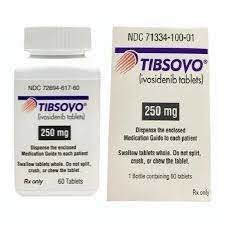
Ivosidenib, sold under the brand name Tibsovo, is an anti-cancer drug used to treat acute myeloid leukemia (AML) and cholangiocarcinoma. It is a small molecule inhibitor of isocitrate dehydrogenase-1 (IDH1), which is mutated in a variety of cancers . Ivonib is an isocitrate dehydrogenase 1 inhibitor that works by reducing the abnormal production of the oncometabolite 2-hydroxyglutarate (2-HG), which leads to malignant cell differentiation.
Indications: Avosidenib is particularly indicated for the treatment of adult patients with susceptible IDH1 mutations, as detected by a U.S. FDA-approved test:
1. Acute myeloid leukemia (AML) - monotherapy or in combination with azacitidine: Newly diagnosed AML in patients ≥75 years of age or with comorbidities that preclude intensive induction chemotherapy; relapsed or refractory AML.
2. Previously treated locally advanced or metastatic cholangiocarcinoma
3. Relapsed or refractory myelodysplastic syndrome (MDS)
Dosage and Administration: Avosidenib is provided as an oral tablet. The recommended dose is 500 mg orally once daily until disease progression or unacceptable toxicity. For patients without disease progression or unacceptable toxicity, treat for at least 6 months to allow time for clinical response. Take ivosidenib with or without food. Do not administer ivosidenib with a high-fat meal as ivosidenib concentration may be increased. Do not split or crush tablets. Take the tablet by mouth at about the same time each day. If you vomit a dose of ivosidenib, do not take a replacement dose; wait until the next scheduled dose is due. If you miss a dose or do not take it at the usual time, take it as soon as possible and at least 12 hours before your next scheduled dose. Return to normal schedule the next day. Do not take 2 doses within 12 hours.
SIDE EFFECTS: Get emergency medical help if you have signs of an allergic reaction: hives; difficulty breathing; swelling of your face, lips, tongue, or throat.
Ivonib can cause a condition called differentiation syndrome, which affects blood cells and can be fatal if left untreated. This may happen after you start taking ivonib Occurs within 1 day to 3 months.
Get medical help right away if you develop symptoms of differentiation syndrome: fever, cough, difficulty breathing; dizziness; rash; decreased urination; rapid weight gain; or swelling of the arms or legs.
Ivonib may cause serious side effects. Contact your doctor right away if you have: fast or pounding heartbeat, fluttering chest, shortness of breath, sudden dizziness (as if you might pass out); jaundice (yellowing of the skin or eyes); fluid around the stomach—rapid weight gain, stomach pain and bloating, difficulty breathing when lying down; low red blood cells (anemia)—skin Paleness, tiredness, dizziness or shortness of breath, cold hands and feet; a high white blood cell count - fever, weakness, not feeling well, bleeding or bruising, nausea, loss of appetite, weight loss; or neurological problems - numbness, pain, tingling, weakness, burning or tingling, vision or hearing problems, trouble breathing. If you experience certain side effects, your cancer treatment may be delayed or permanently stopped.
Common side effects of ivosidenib may include: irregular heartbeat; stomach pain or swelling, nausea, vomiting, loss of appetite; diarrhea, constipation; fever, tiredness; low red blood cell count or high white blood cell count; cough, shortness of breath; sores in the mouth or throat; rash; abnormal liver function tests; muscle or joint pain; or swelling of the arms or legs. This is not a complete list of side effects, and other side effects may occur. Regardless of any physical discomfort the patient experiences while using ivonib, the patient should seek medical treatment immediately.
Precautions: Avosidenib may cause a group of serious or life-threatening symptoms called differentiation syndrome. Your doctor will monitor you carefully to see if you have this syndrome. Contact your doctor right away if you develop any of the following symptoms: fever, cough, rash, sudden weight gain, decreased urination, swelling of arms or legs, dizziness or lightheadedness, shortness of breath or difficulty breathing. These symptoms may occur up to 3 months after starting treatment with ivosidenib. When you develop the first signs of differentiation syndrome, your doctor will prescribe medications to treat the syndrome and may tell you to stop taking Ivone for a while.
Get medical help right away if you develop symptoms of differentiation syndrome: fever, dizziness, cough, difficulty breathing, swelling, rapid weight gain, rash, or decreased urination.
Storage: Store at room temperature, away from moisture and heat.
[ 免责声明 ] 本页面内容来自公开渠道(如FDA官网、Drugs官网、原研药厂官网等),仅供持有医疗专业资质的人员用于医学药学研究参考,不构成任何治疗建议或药品推荐。所涉药品可能未在中国大陆获批上市,不适用于中国境内销售和使用。如需治疗,请咨询正规医疗机构。本站不提供药品销售或代购服务。


