
.jpeg)
Guidelines for use of ensidipine: treatment of IDH2 mutant acute myeloid leukemia
1. Introduction to drugs
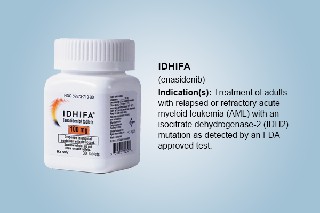
Ensidipine, whose English name is Enasidenib, is a targeted anti-cancer drug targeting IDH2 mutant relapsed or refractory acute myeloid leukemia (AML). AML is a malignant tumor involving bone marrow white blood cells, often disrupting bone marrow function and causing abnormal white blood cell proliferation. Ensidipine is designed for patients who have been confirmed by genetic testing to carry the IDH2 mutation.
2. Principle of drug action
The core function of ensidipine is to inhibit the activity of mutated IDH2 enzyme. IDH2 is a key enzyme in cell metabolism. Its mutation will disrupt normal metabolism and produce a substance called 2-hydroxyglutarate, which will promote the growth of cancer cells. Ensidipine reduces the activity of this mutant enzyme, reduces the production of harmful substances, helps cells restore normal metabolism, and promotes cancer cells to differentiate and eventually die, thereby curbing the spread of cancer.
3. Pharmacological characteristics
As an IDH2 inhibitor, ensidipine enters the body through oral administration and exerts systemic therapeutic effects. It is metabolized mainly by the enzyme system of the liver and excreted from the body through urine and feces. Drugs take a long time to act in the body and need to be taken continuously to maintain effective drug concentrations. In particular, it relies on the CYP450 enzyme system in the liver, especially the CYP3A4 enzyme, for metabolism.
4. How to take it
The recommended dosage is 100 mg once daily, taken orally. Best taken at the same time each day, with or without food. If you miss a dose, you should make it up as soon as possible, but if it is close to the next dose, you should skip the missed dose and continue taking the medicine as originally planned to avoid double taking.
5. Possible adverse reactions
Possible adverse reactions after taking it include nausea, vomiting, diarrhea, fatigue, loss of appetite, jaundice (indicating possible abnormal liver function), high blood pressure and high blood sugar. In addition, there is a risk of a serious complication called differentiation syndrome, which is an inflammatory response caused by the rapid differentiation of cancer cells. Symptoms may include fever, difficulty breathing, low blood pressure and rapid weight gain, and need to be detected and dealt with promptly.
6. Important reminders and monitoring suggestions
1. Monitoring of differentiation syndrome: During the use of ensidipine, you should pay close attention to the symptoms of differentiation syndrome. Once they appear, you need to stop the drug immediately and take glucocorticoid treatment.
2.Liver function test: Since drugs may affect liver function, liver function indicators such as ALT, AST and bilirubin should be checked regularly during treatment.
3.Hemogram monitoring: Complete blood cell count should be checked frequently in the early stage of treatment to assess the impact of the drug on the bone marrow.
4.Blood sugar management: For diabetic patients, blood sugar needs to be monitored and hypoglycemic drugs adjusted according to the situation.
7. Taboos of use
It is strictly contraindicated in patients allergic to any component of ensidipine. Caution is also required in patients with severe hepatic impairment, as the drug is primarily metabolized by the liver.
8. Drug interaction warning
Ensidipine is metabolized by the CYP3A4 enzyme, so simultaneous use with strong CYP3A4 inhibitors or inducers (such as ketoconazole, rifampicin) may affect the concentration of the drug in the blood, requiring dose adjustment. At the same time, ensidipine may also interact with other drugs metabolized by the same enzyme, so close monitoring is required.
9. Suggestions for use by specific groups of people
1.Pregnant and lactating women: There is currently no sufficient research to prove the safety of ensidipine during pregnancy, so unless doctors believe that the potential benefits outweigh the risks, it is not recommended for pregnant women to use it. For lactating women, it is recommended to suspend breastfeeding while taking the drug because it is uncertain whether the drug will be passed through breast milk.
2.Children and Adolescents: The safety and effectiveness of ensidipine in this population have not been verified, so its use is not recommended for patients under 18 years of age.
3. Elderly patients: Elderly patients may be more susceptible to drug side effects, so they should be closely monitored and the dosage adjusted according to individual circumstances.
Ensidipine provides a new therapeutic strategy for AML patients carrying IDH2 mutations. By precisely inhibiting mutated enzymes, it helps restore normal cell function, thereby significantly improving patient prognosis. However, it is necessary to pay attention to possible side effects and drug interactions when using it, and adjust the treatment plan according to the patient's specific situation. Regular health monitoring and following medical advice are key to ensuring treatment effectiveness and safety.
[ 免责声明 ] 本页面内容来自公开渠道(如FDA官网、Drugs官网、原研药厂官网等),仅供持有医疗专业资质的人员用于医学药学研究参考,不构成任何治疗建议或药品推荐。所涉药品可能未在中国大陆获批上市,不适用于中国境内销售和使用。如需治疗,请咨询正规医疗机构。本站不提供药品销售或代购服务。


