
.jpeg)
Analysis of the efficacy and safety of ensidipine in the treatment of AML
Enasidenib (Enasidenib), as an innovative targeted anti-cancer drug, has shown excellent results in the treatment of specific types of acute myeloid leukemia (AML) in recent years. This drug is specifically targeted at patients with relapsed or refractory AML who carry isocitrate dehydrogenase 2 (IDH2) mutations. Through its unique mechanism of action, it brings new treatment hope to patients.
1. The remarkable therapeutic effect of ensidipine
After multiple rigorous clinical trials, ensidipine has shown impressive efficacy in the treatment of IDH2 mutated AML patients. In these well-designed studies, patients treated with ensidipine experienced significant remissions, significantly prolonged progression-free survival, and a significant improvement in overall survival.
For example, the results of a core clinical trial showed that among patients using ensidipine, the complete response rate (CR) was as high as 19%, and the partial response rate (PR) was as high as 34%. This data provides strong evidence of ensidipine's superior performance in arresting disease progression.
In addition to its remarkable efficacy, ensidipine greatly improves patient treatment compliance due to its convenient oral administration and once-daily dosing regimen. Compared with traditional chemotherapy drugs, ensidipine has relatively fewer side effects, making it better tolerated by patients and further improving quality of life.
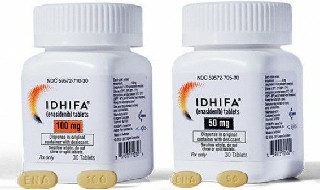
2. Potential side effects of ensidipine
However, like many other medications, ensidipine may be associated with some side effects. Although these side effects cannot be ignored, through timely identification and treatment, the patient's treatment safety can be ensured.
Common side effects include nausea, vomiting, diarrhea, fatigue, and loss of appetite. Most of these symptoms can be relieved by adjusting your diet, using appropriate medications, or arranging proper rest. For example, nausea and vomiting can be alleviated by adjusting eating habits or using antiemetics; diarrhea may require the intervention of antidiarrheal drugs; and fatigue, patients are advised to take rest and avoid overexertion.
In addition, ensidipine may also cause some serious side effects, such as differentiation syndrome, hypertension and hyperglycemia. Differentiation syndrome is a severe inflammatory reaction caused by rapid differentiation of cancer cells that requires immediate discontinuation of medication and administration of glucocorticoids. Hypertension and hyperglycemia require patients to regularly monitor relevant indicators and make necessary medication adjustments based on the doctor's recommendations.
Ensidipine, as an anti-cancer drug that specifically targets IDH2 mutations, undoubtedly provides a new treatment strategy for specific AML patients. By precisely inhibiting the activity of the mutated enzyme, it significantly improves the prognosis of patients. However, along with treatment, possible side effects need to be closely monitored and properly managed. Through the joint efforts of medical staff and patients, timely adjustment of treatment plans can effectively reduce the impact of side effects, thereby improving patients' treatment experience and quality of life. The widespread application of ensidipine marks an important step in the treatment field of AML, bringing new treatment options and hope to many patients.
[ 免责声明 ] 本页面内容来自公开渠道(如FDA官网、Drugs官网、原研药厂官网等),仅供持有医疗专业资质的人员用于医学药学研究参考,不构成任何治疗建议或药品推荐。所涉药品可能未在中国大陆获批上市,不适用于中国境内销售和使用。如需治疗,请咨询正规医疗机构。本站不提供药品销售或代购服务。


