
.jpeg)
t790 What is the effect of taking osimertinib?
Osimertinib, as a third-generation EGFR tyrosine kinase inhibitor, has played an important role in the treatment of non-small cell lung cancer (NSCLC) in recent years, especially for patients with EGFR T790M mutation-positive patients.
Osimertinib is a selective EGFR inhibitor that has significant inhibitory effects on EGFR sensitive mutations and T790M resistant mutations. These mutations are common in NSCLC and often lead to resistance to traditional EGFR inhibitors. Osimertinib irreversibly binds to these mutants and blocks the EGFR signaling pathway, thereby inhibiting the proliferation and metastasis of tumor cells.
Multiple studies have shown that osimertinib shows significant efficacy in EGFR T790M mutation-positive NSCLC patients. For example, in one study, a 72-year-old white female patient started receiving osimertinib after multiple treatment options failed. After 5 weeks of treatment, CT examinations of the chest, abdomen and pelvis showed that the tumor lesions were greatly reduced, and the abundance of the T790M mutation in the EGFR gene was also significantly reduced. This proves that osimertinib has a significant therapeutic effect on patients carrying the T790M mutation.
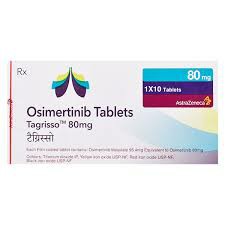
Clinical trial data further supports the effectiveness of osimertinib in the treatment of T790M mutation-positive NSCLC. For example, the AURA3 study is a pivotal phase 3 clinical trial comparing osimertinib with platinum-based doublet chemotherapy in second-line treatment. The results showed that osimertinib significantly prolonged the progression-free survival of patients (PFS), reaching 10.1 months, compared with PFS in the chemotherapy group which was only 4.4 months. This significant difference confirms the superiority of osimertinib in delaying disease progression.
Osimertinib not only performs well in the treatment of systemic NSCLC but also shows good efficacy in patients with brain metastases. In OCEAN and other studies, osimertinib was used to treat patients with central nervous system (CNS) metastases who had not received radiation therapyEGFRmutation-positiveNSCLC patients, the effective rate is as high as 70%. This shows that osimertinib can effectively penetrate the blood-brain barrier and produce significant therapeutic effects on brain metastases.
The safety of osimertinib has been widely verified in multiple clinical trials. While patients may experience some adverse reactions, such as rash, diarrhea, and nausea, most reactions are mild and manageable. In addition, osimertinib was well tolerated, allowing patients to continue receiving and benefit from treatment.
In addition to being used as a monotherapy, osimertinib has shown potential in combination with other drugs. For example, in the BOOSTER study, osimertinib combined with bevacizumab showed certain efficacy advantages as second-line treatment. Although the median progression-free survival was not significantly longer in the combination group (15.4 months) compared with the single-agent group (12.3 months), the benefit of combination therapy was observed in certain subgroups of patients. This provides strong support for further exploration of combination treatment strategies with osimertinib.
Osimertinib has demonstrated excellent clinical effects in the treatment of EGFR T790M mutation-positive NSCLC. It blocks the growth and spread of tumor cells by inhibiting EGFR mutations, significantly extending patients' progression-free survival and improving their quality of life.
[ 免责声明 ] 本页面内容来自公开渠道(如FDA官网、Drugs官网、原研药厂官网等),仅供持有医疗专业资质的人员用于医学药学研究参考,不构成任何治疗建议或药品推荐。所涉药品可能未在中国大陆获批上市,不适用于中国境内销售和使用。如需治疗,请咨询正规医疗机构。本站不提供药品销售或代购服务。


