
.jpeg)
What are the clinical applications and efficacy of selinesol?
Selinisol is a new type of oral anti-cancer drug that is a selective nuclear export inhibitor. Its clinical application and efficacy are quite significant.
Selinesol inhibits cell cycle progression and promotes cell apoptosis by blocking specific signaling pathways, such as the protein kinaseB/mTOR signaling pathway, thus exerting anti-tumor proliferation effects. This effect is particularly prominent in the treatment of hematological malignancies, such as multiple myeloma and diffuse large Bcell lymphoma. In many clinical studies at home and abroad, selinesol has shown good efficacy as a single agent or in combination, providing new treatment options for these patients.
Selinisol can also induce endothelial cell apoptosis and reduce the formation of new blood vessels, so it has the effect of inhibiting angiogenesis. This effect is important for preventing or treating diseases caused by abnormal growth of blood vessels, such as certain types of cancer and eye diseases.
Selinisol can affect the expression levels of specific cytokines, thereby regulating the body's immune response. It can not only effectively reduce the body's immune response, reduce inflammatory response, and achieve the effect of suppressing immune function; it can also improve the symptoms of some patients with autoimmune diseases through immune regulation. This dual immune effect makes selinesol potentially useful in the treatment of immune-related diseases.
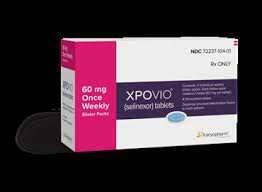
Selinesol can also inhibit the overproduction of extracellular matrix mediated by transforming growth factorβ, thus having a certain anti-fibrotic effect and playing a positive role in the treatment of pulmonary fibrosis and other diseases. At the same time, it can also stabilize the mitochondrial membrane potential in the nervous system, prevent neuron damage, and have a neuroprotective effect. These effects provide the possibility for selinesol to be used in the treatment of neurological diseases and fibrotic diseases.
Selinesol’s efficacy has been proven through multiple clinical studies. Selinisol has shown significant efficacy in the treatment of hematologic diseases, especially multiple myeloma and diffuse large Bcell lymphoma. Whether used as a monotherapy or in combination with other drugs, it can effectively control the progression of the disease and improve the patient's quality of life.
Selinisol has also shown certain efficacy in the treatment of solid tumors. For example, in the treatment of cancers such as pancreatic cancer and breast cancer, it may exhibit anti-tumor activity and be used to control disease progression. However, the specific efficacy and indications of selinesol in the treatment of solid tumors still need further clinical research to confirm.
In terms of safety, Seleniso's performance is also relatively stable. Although some side effects may occur during use, most patients tolerate it. Doctors will adjust the drug dosage and usage according to the patient's specific conditions to ensure the safety and effectiveness of the treatment. At the same time, patients also need to pay close attention to their physical condition while using selinesol and report any discomfort or abnormal reactions to their doctors in a timely manner.
As a new oral anti-cancer drug, selinesol has demonstrated a wide range of indications and significant efficacy in clinical applications. It has not only made important breakthroughs in the treatment of hematological diseases, but has also shown potential in the treatment of solid tumors and other types of cancer.
[ 免责声明 ] 本页面内容来自公开渠道(如FDA官网、Drugs官网、原研药厂官网等),仅供持有医疗专业资质的人员用于医学药学研究参考,不构成任何治疗建议或药品推荐。所涉药品可能未在中国大陆获批上市,不适用于中国境内销售和使用。如需治疗,请咨询正规医疗机构。本站不提供药品销售或代购服务。


