
.jpeg)
What is the clinical performance of selinesol in the treatment of leukemia?
Selinexor (Selinexor), as a new type of targeted therapy drug, has shown certain efficacy in the treatment of leukemia. It interferes with the function of cancer cells by targeting a specific molecular target in cancer cells, namely karyopherin XPO1 (CRM1), thereby inhibiting their growth and spread.
Selinesol's main mechanism of action is to inhibit the function of XPO1 protein, preventing the export of important proteins in tumor cells from the nucleus to the cytoplasm, thereby leading to the death of tumor cells. XPO1 is highly expressed in a variety of cancers, including leukemia, so selinesol can selectively target these overexpressed cancer cells and reduce damage to normal cells.
In the treatment of leukemia, selinesol is mainly used in the treatment of multiple myeloma (MM). MM is a malignant disease characterized by abnormal proliferation of clonal plasma cells and is highly heterogeneous. Since the disease is incurable and most patients will face relapse or refractory disease, there is an urgent need for drugs with new mechanisms to bring deeper relief. Selinisol, as a new drug, provides new treatment options for these patients.
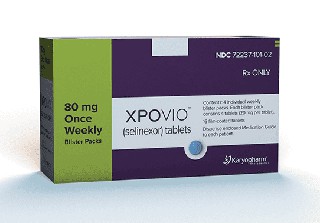
In clinical practice, selinesol is usually treated in a combination regimen. For example, in some cases, patients who had poor efficacy after using traditional chemotherapy regimens such as bortezomib combined with dexamethasone (Vd) achieved complete remission after switching to the selinexol combination regimen. This suggests that selinesol has significant efficacy in refractory MM.
According to existing clinical research data, in patients with multiple myeloma, the selinesol combination regimen can help patients achieve complete remission. This is undoubtedly an important therapeutic breakthrough for refractory patients who have undergone multiple lines of treatment, are exposed to multiple drugs, and have high-risk cytogenetics or extramedullary lesions.
As a targeted therapy drug, selinesol can attack specific molecular targets in cancer cells more precisely and reduce damage to normal cells. This helps reduce side effects during treatment and improves patients' quality of life.
Selinisol exhibits good synergy when used in combination with other drugs, which can enhance the overall therapeutic effect. The application of this combined regimen provides leukemia patients with more treatment options.
Although selinesol has achieved certain efficacy in the treatment of leukemia, some side effects may occur during its use. Common side effects include digestive system symptoms (such as nausea, vomiting, constipation and diarrhea, etc.), blood system suppression (such as hemoglobin reduction, thrombocytopenia, and leukopenia, etc.), respiratory system symptoms (such as shortness of breath, chest tightness, etc.), as well as systemic symptoms and allergic reactions. Therefore, the patient's physical response should be closely observed when using selinesol and the drug should be adjusted or discontinued based on the specific situation.
Selinisol has shown certain efficacy and advantages in the treatment of leukemia. As a targeted therapy drug, it can more accurately attack specific molecular targets in cancer cells and reduce damage to normal cells. However, some side effects may occur during its use, which require close attention and timely adjustment of the treatment plan.
[ 免责声明 ] 本页面内容来自公开渠道(如FDA官网、Drugs官网、原研药厂官网等),仅供持有医疗专业资质的人员用于医学药学研究参考,不构成任何治疗建议或药品推荐。所涉药品可能未在中国大陆获批上市,不适用于中国境内销售和使用。如需治疗,请咨询正规医疗机构。本站不提供药品销售或代购服务。


