
.jpeg)
Pirfenidone vs. nintedanib: A comparison of two major drugs for the treatment of idiopathic pulmonary fibrosis
Pirfenidone and nintedanib, as two mainstream drugs for the treatment of idiopathic pulmonary fibrosis (IPF), although they have the same goals, they present different characteristics in multiple dimensions.
From the perspective of drug ingredients, the core ingredient of pirfenidone is itself, which is a pyridone compound with specific anti-fibrotic effects. In contrast, nintedanib contains nintedanib ethanesulfonate as its main ingredient and is classified as a chemical drug.
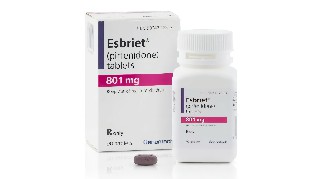
When exploring the pharmacological mechanism, pirfenidone effectively reduces the biological activity of fibroblasts by precisely regulating or inhibiting certain key factors, thereby controlling their excessive proliferation and abnormal matrix collagen synthesis. In addition, it can effectively inhibit the abnormal secretion of inflammatory mediators and reduce lipid peroxidation, thereby exerting its anti-inflammatory and antioxidant effects. Nintedanib inhibits a variety of key receptor tyrosine kinases and blocks abnormal signaling in cells, thereby inhibiting excessive proliferation, migration and adverse transformation of fibroblasts. It also exhibits powerful anti-fibrosis and anti-inflammatory effects.
Although the main battlefields of pirfenidone and nintedanib are idiopathic pulmonary fibrosis, their optimal application scenarios are slightly different. Pirfenidone is particularly effective in the treatment of mild and moderate idiopathic pulmonary fibrosis, while nintedanib demonstrates broader therapeutic applicability.
Of course, any drug may be accompanied by certain adverse reactions. Patients taking pirfenidone may experience photosensitivity, decreased appetite, stomach upset, and nausea. Possible side effects of nintedanib include bleeding, weight loss, loss of appetite and diarrhea.
In terms of contraindications, women who are allergic to pirfenidone, have severe liver disease, are pregnant or breastfeeding, and patients with severe kidney disease should avoid its use. Nintedanib is mainly contraindicated in patients with allergies, patients with moderate to severe liver damage, and pregnant women.
In summary, pirfenidone and nintedanib have their own merits in the treatment of idiopathic pulmonary fibrosis. When doctors choose drugs for patients, they need to comprehensively consider the patient's specific illness and physical condition.
[ 免责声明 ] 本页面内容来自公开渠道(如FDA官网、Drugs官网、原研药厂官网等),仅供持有医疗专业资质的人员用于医学药学研究参考,不构成任何治疗建议或药品推荐。所涉药品可能未在中国大陆获批上市,不适用于中国境内销售和使用。如需治疗,请咨询正规医疗机构。本站不提供药品销售或代购服务。


