
.jpeg)
Pirfenidone versus nintedanib: Comparison of efficacy in the treatment of idiopathic pulmonary fibrosis
Pirfenidone and nintedanib are both key drugs in the treatment of idiopathic pulmonary fibrosis (IPF). However, the comparison of efficacy between the two is not static, but is affected by multiple factors such as individual patient differences, disease progression stage, and drug response.
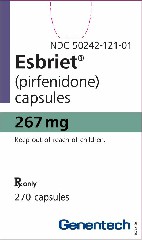
Pirfenidone, with its unique pyridone compound structure, mainly inhibits the core process of pulmonary fibrosis - excessive proliferation of fibroblasts and abnormal synthesis of matrix collagen, thereby effectively delaying the decline of lung function and significantly improving patients' symptoms such as dyspnea. In multiple rigorous clinical trials, pirfenidone has demonstrated its stable efficacy and can effectively control the progression of the disease. It is worth mentioning that compared with nintedanib, pirfenidone has a lower discontinuation rate during treatment, which to a certain extent reflects its superiority in stabilizing the patient's condition.
Nintedanib blocks multiple links in the fibrosis process through another mechanism-inhibiting multiple key receptor tyrosine kinases. It not only effectively inhibits the progression of fibrosis, but also has a positive effect on improving ventricular structure and lowering blood pressure. However, compared with pirfenidone, nintedanib may be more prone to shedding during treatment, which may be related to individual differences in patients or drug reactions.
In terms of safety, common adverse reactions that may be caused by pirfenidone include gastrointestinal discomfort and liver function impairment, while nintedanib may cause symptoms such as bleeding, weight loss, and loss of appetite. Therefore, when selecting therapeutic drugs, patients should fully consider their own disease characteristics and drug tolerance.
In summary, pirfenidone and nintedanib each have their own advantages in the treatment of idiopathic pulmonary fibrosis. Which drug is more suitable for a specific patient needs to be comprehensively judged based on the patient's specific illness, physical condition, and the doctor's professional advice. No matter which drug is chosen, patients should strictly follow the doctor's instructions to ensure the safety and effectiveness of the treatment.
[ 免责声明 ] 本页面内容来自公开渠道(如FDA官网、Drugs官网、原研药厂官网等),仅供持有医疗专业资质的人员用于医学药学研究参考,不构成任何治疗建议或药品推荐。所涉药品可能未在中国大陆获批上市,不适用于中国境内销售和使用。如需治疗,请咨询正规医疗机构。本站不提供药品销售或代购服务。


