
.jpeg)
Precautions for patients taking Mitotane
Mitotane (Mitotane) is a drug used to treat adrenocortical cancer. Due to its potential side effects and complex medication management, patients need to pay special attention to the following aspects when using mitotane to ensure the safety and effectiveness of the medication.
1. Assessment before starting treatment
Before startingmitotane treatment, your doctor will need to conduct a detailed evaluation of the patient, including a medical history, physical examination, and necessary laboratory tests. These tests can help determine whether a patient is a candidate for Mitotane and provide baseline data for subsequent treatment. Common checks include:
Liver and kidney function tests
Serum electrolyte levels
Hormonal levels (such as cortisol, ACTH, etc.)
Imaging examination (CT or MRI)
2. Medication dosage and adjustment
The initial dose of mitotane is usually lower to reduce adverse effects and allow patients to gradually adapt to the drug. The initial dose is generally 1-2 grams per day, divided into two or three doses. Based on the patient's response, doctors will gradually adjust the dose, usually maintaining it between 2-6 grams per day. Basis for dose adjustment include:
Changes in clinical symptoms
Laboratory test results
Drug concentration monitoring
Patients should strictly follow the doctor's dosage adjustment instructions and do not change the dosage or stop taking the medicine on their own.
3. How to take medicine
Mitotane should be taken with food, preferably a high-fat meal, as this helps improve absorption of the drug and reduce adverse gastrointestinal effects. Patients should try to take the medication at the same time every day to maintain stable blood drug concentrations.
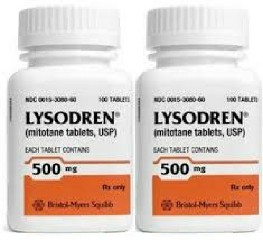
4. Common side effects and management
Mitotane may cause a variety of side effects. Patients should be aware of these side effects and work closely with their doctors to promptly report and manage uncomfortable symptoms. Common side effects include:
Gastrointestinal reactions: such as nausea, vomiting, diarrhea, etc. Patients can relieve these symptoms by taking the medication with food or in divided doses.
Abnormal liver function: Regular monitoring of liver function is necessary, especially in the early stages of treatment. If liver function abnormalities occur, your doctor may adjust the dose or suspend the medication.
Nervous system toxicity: including dizziness, ataxia, etc. Patients should avoid driving or operating heavy machinery until they are sure they will not be affected.
Electrolyte disorders: Mitotane may cause hyponatremia or other electrolyte imbalances. Monitor electrolyte levels regularly and adjust diet and supplements as appropriate.
5. Drug interactions
Mitotane may interact with other medications, affecting efficacy or increasing side effects. Patients should report all medications they are taking to their doctor, including prescription drugs, over-the-counter drugs, and supplements. Common drug interactions include:
Anticoagulant drugs: Mitotane may enhance the effect of anticoagulant drugs and increase the risk of bleeding. Coagulation function needs to be monitored regularly.
Hypoglycemic drugs: Mitotane (mitotane) may affect the effect of hypoglycemic drugs, and the dose of hypoglycemic drugs needs to be adjusted.
Other adrenocortical hormones: Mitotane reduces the synthesis of adrenocortical hormones, and the use of exogenous hormone supplements may require dose adjustment.
6. Long-term management and follow-up
MitotaneTreatment is usually long-term and may last for several years or even for life. Regular follow-up is an important part of treatment management and includes:
Regular follow-up visits: According to the doctor's advice, patients should go to the hospital for regular follow-up visits for physical examinations and laboratory tests.
Imaging monitoring: Imaging examinations, such as CT or MRI, are performed regularly to assess tumor response and progression.
Hormone level monitoring: Monitor serum hormone levels regularly to evaluatemitotane 's efficacy and adjust dosage.
7. Withdrawal and termination of treatment
In some cases, your doctor may consider tapering the dose of mitotane or stopping treatment. The drug withdrawal process should be carried out under the strict guidance of a doctor, usually by gradually reducing the dose, rather than stopping the drug suddenly, to prevent tumor recurrence or other adverse reactions.
8. Patient Education and Support
Patients and their families should understand the purpose, process and possible side effects of Mitotane treatment. Physicians and care teams should provide the necessary education and support to help patients cope with the challenges of treatment. Patients should maintain a positive attitude, maintain good communication with the medical team, and promptly report any discomfort or concerns.
Mitotane Treatment of adrenocortical cancer is a complex and long-term process. Patients need to strictly adhere to the medication plan and undergo regular monitoring and follow-up under the guidance of a doctor. Understanding drug side effects and interactions, and promptly reporting and dealing with uncomfortable symptoms are keys to ensuring safe and effective treatment. Through close doctor-patient cooperation and scientific treatment management, the therapeutic effect of Mitotane can be maximized and the survival rate and quality of life of patients can be improved.
[ 免责声明 ] 本页面内容来自公开渠道(如FDA官网、Drugs官网、原研药厂官网等),仅供持有医疗专业资质的人员用于医学药学研究参考,不构成任何治疗建议或药品推荐。所涉药品可能未在中国大陆获批上市,不适用于中国境内销售和使用。如需治疗,请咨询正规医疗机构。本站不提供药品销售或代购服务。


