
.jpeg)
Mitotane (mitotane) side effects and side effects management
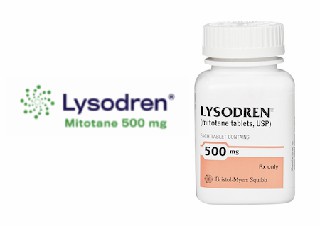
Mitotane (Mitotane) is a drug used to treat adrenocortical cancer and has significant effects in inhibiting tumor growth. However, there are many side effects associated with the use of Mitotane, and it is important for patients and health care professionals to understand these side effects and how to manage them.
1. Gastrointestinal side effects
Common gastrointestinal side effects include nausea, vomiting, diarrhea, loss of appetite, and stomach upset. To reduce these adverse effects, Mitotane should be taken with food, especially high-fat food, as this may help improve drug absorption and reduce gastrointestinal discomfort. Splitting the daily dose into multiple doses can also help reduce these symptoms. Your doctor may prescribe an anti-nausea medication such as ondansetron (Ondansetron) to relieve symptoms of nausea and vomiting. Patients are advised to avoid greasy and spicy foods and consume more light and easily digestible foods.
2. Abnormal liver function
Mitotane may cause increased levels of liver enzymes (such as AST, ALT) and may even lead to jaundice and liver failure (in rare cases). During treatment, regular liver function tests are necessary to monitor liver enzyme levels. If abnormal liver function is found, your doctor may adjust the dose of mitotane or suspend the medication until liver function returns to normal. Using liver-protecting drugs such as ursodeoxycholic acid (Ursodeoxycholic acid) can also help protect liver function. Patients should avoid drinking alcohol, which can tax the liver.
3. Nervous system side effects
Nervous system side effects include dizziness, ataxia (loss of movement), neuropathy, and depression or mood swings. If severe neurological symptoms occur, your doctor may adjust your dose of mitotane. Appropriate use of neurotrophic drugs such as vitamin Bcomplex can help reduce symptoms of neuropathy. Patients should avoid driving and operating heavy machinery while taking the medication until they are sure they will not be affected. For patients with depression or mood swings, psychological counseling and support can be provided, and antidepressant medication can be used if necessary.
4. Endocrine system side effects
Mitotane may cause hypothyroidism, hyponatremia, and abnormal sex hormone levels. For patients with hypothyroidism, levothyroxine (Levothyroxine) can be used as replacement therapy. Monitor serum electrolyte levels, especially sodium and potassium, regularly and perform electrolyte replacement when necessary. Based on changes in hormone levels, doctors will adjust the dosage of hormone replacement therapy, such as corticosteroids.
5. Abnormal renal function
Mitotane may cause decreased kidney function and urinary abnormalities (e.g., proteinuria, hematuria). During treatment, patients need to undergo regular renal function tests, including serum creatinine and urea nitrogen levels. Maintaining good fluid intake helps protect kidney function. If severe kidney function abnormalities occur, your doctor may adjust the dose or suspend the medication.
6. Skin and allergic reactions
Skin side effects include rash, itching, and photosensitivity reactions. Mitotan (mitotane) may increase skin sensitivity to sunlight. Patients should take sun protection measures, such as using sunscreen and wearing protective clothing. If a rash or itching occurs, your doctor may prescribe an antihistamine medication. Keeping your skin clean and dry and avoiding harsh skin care products can help reduce these symptoms.
7. Other side effects
Other possible side effects include bone marrow suppression (rare) and increased risk of infection. Regular monitoring of blood tests, especially white blood cell and platelet counts, can help detect these problems early. Paying attention to personal hygiene and avoiding close contact with people with infectious diseases can help prevent infection.
Mitotane plays an important role in the treatment of adrenocortical cancer, but its use is associated with multiple potential side effects. Effective side effect management requires patients to work closely with their doctors, regularly monitor health indicators, and promptly address any uncomfortable symptoms that arise. Patients should strictly follow the doctor's instructions and not adjust the dosage or stop the medication on their own. Through scientific management and support, the therapeutic effect of Mitotane can be maximized while reducing the impact of its side effects on quality of life.
[ 免责声明 ] 本页面内容来自公开渠道(如FDA官网、Drugs官网、原研药厂官网等),仅供持有医疗专业资质的人员用于医学药学研究参考,不构成任何治疗建议或药品推荐。所涉药品可能未在中国大陆获批上市,不适用于中国境内销售和使用。如需治疗,请咨询正规医疗机构。本站不提供药品销售或代购服务。


