
.jpeg)
Can platinib treat liver tumors?
Platinib (trade name: Pujihua®) is not currently used directly to treat liver tumors. Its indications are mainly focused on non-small cell lung cancer (NSCLC) and thyroid cancer related to RET gene mutations.
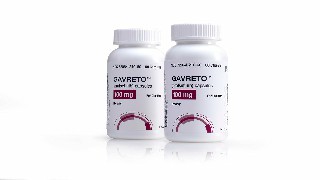
Platinib is an oral, selective RETtyrosine kinase inhibitor. It mainly inhibits the kinase activity of fusion proteins or mutant proteins produced by RET gene mutations, thereby blocking the signal transduction pathways of tumor cells and achieving the purpose of inhibiting tumor growth and spread. Currently, platinib has been approved by the National Medical Products Administration of China (NMPA) for the treatment of adult patients with RET gene fusion-positive locally advanced or metastatic non-small cell lung cancer (NSCLC). Adult and pediatric patients 12 years and older with advanced or metastatic RET mutated medullary thyroid carcinoma (MTC) requiring systemic treatment. Adult and pediatric patients 12 years and older with advanced or metastatic RET fusion-positive thyroid cancer who require systemic therapy and are refractory to radioactive iodine (if radioactive iodine is applicable).
RETgene variation in liver tumors: Although RETgene variation has been found in a variety of tumor types, including NSCLC and thyroid cancer, its specific role in liver tumors, frequency and whether it is the main driver gene of liver tumors require further study. The pathogenesis of liver tumors is complex and diverse, and may involve multiple genetic mutations and signaling pathways.
Up to now, there are limited clinical trial data on the direct use of platinib in the treatment of liver tumors. Platinib's efficacy in a variety of RET variant solid tumors is mainly based on its clinical trial results in NSCLC and thyroid cancer. For liver tumors, there are insufficient data to support platinib as first-line or standard treatment.
[ 免责声明 ] 本页面内容来自公开渠道(如FDA官网、Drugs官网、原研药厂官网等),仅供持有医疗专业资质的人员用于医学药学研究参考,不构成任何治疗建议或药品推荐。所涉药品可能未在中国大陆获批上市,不适用于中国境内销售和使用。如需治疗,请咨询正规医疗机构。本站不提供药品销售或代购服务。


