
.jpeg)
Is prexitinib effective in renal cell carcinoma?
The effectiveness of Pralsetinib, also known as pralsetinib, in renal cell carcinoma (RCC) depends on whether the patient has specific genetic mutations, specifically the RET gene mutation.
Presitinib is a highly selective RETtyrosine kinase inhibitor. It blocks the signal transduction of tumor cells by inhibiting the variation (including fusion and mutation) of the RET gene, thereby inhibiting the growth and spread of tumors. RETGene mutations are found in a variety of cancers, including lung, thyroid and kidney cancers.
Renal cell carcinoma is a relatively common renal malignant tumor with complex and diverse mechanisms involving multiple genetic mutations and signaling pathways. Although the specific frequency and mechanism of RET gene mutations in renal cell carcinoma require further study, there is evidence that some patients with renal cell carcinoma do have RET gene mutations.
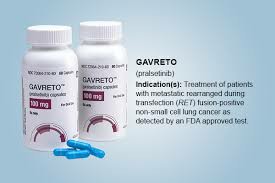
Currently, data from clinical trials of prexitinib directly targeting renal cell carcinoma may be relatively limited. However, given the good efficacy of presitinib in other tumors with RET gene mutations, it is reasonable to speculate that presitinib may also have a certain therapeutic effect in patients with renal cell carcinoma with RET gene mutations.
The treatment of renal cell carcinoma emphasizes individualization, that is, developing appropriate treatment plans based on the patient's specific conditions (including tumor type, stage, genetic mutation, etc.). Therefore, prexitinib may be a potential treatment option for patients with renal cell carcinoma who harbor RET gene alterations.
Prexitinib is usually not used as a single treatment option for renal cell carcinoma, but may be used in combination with other treatments (such as surgery, immunotherapy, chemotherapy, etc.) to achieve better therapeutic effects.
Comprehensive genetic testing is required to confirm the patient’s presence before using presitinibRETGene mutation. Only patients with specific genetic alterations may benefit from treatment with prexitinib. Prexitinib may cause some side effects, such as fatigue, high blood pressure, diarrhea, etc. Therefore, it is necessary to closely monitor the patient's physical condition during treatment and adjust the treatment plan in a timely manner to reduce side effects.
[ 免责声明 ] 本页面内容来自公开渠道(如FDA官网、Drugs官网、原研药厂官网等),仅供持有医疗专业资质的人员用于医学药学研究参考,不构成任何治疗建议或药品推荐。所涉药品可能未在中国大陆获批上市,不适用于中国境内销售和使用。如需治疗,请咨询正规医疗机构。本站不提供药品销售或代购服务。


