
.jpeg)
Is platinib effective in treating leukemia?
The effect of Pralsetinib in the treatment of leukemia requires specific analysis, because Pralatinib is not a drug specifically designed to treat leukemia, but mainly targets solid tumors related to RET gene mutations, such as RET Fusion-positive non-small cell lung cancer (NSCLC) and RETmutated medullary thyroid carcinoma (MTC).
Platinib is a highly selective RETtyrosine kinase inhibitor that inhibits tumor cell signaling by blocking RET gene variations (including fusions and mutations), thereby inhibiting tumor growth and spread. However, there are significant differences in pathogenesis and biology between leukemia and these solid tumors, so the therapeutic effect of platinib in leukemia may differ from its performance in solid tumors.
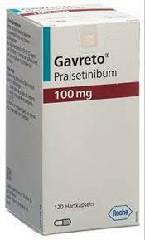
Although Platinib is not a mainstream drug for the treatment of leukemia, in some specific cases, such as leukemia patients coexisting with RET gene mutations, Platinib may theoretically have a certain therapeutic effect. However, this condition is relatively rare in leukemia patients and lacks large-scale clinical trial data to support it.
Currently, there is no published clinical trial data showing the exact efficacy of platinib in the treatment of leukemia. Therefore, its effectiveness and safety in leukemia treatment cannot be directly assessed.
Leukemia is a type of complex hematological malignant tumor, and its treatment involves a variety of methods, including chemotherapy, radiotherapy, targeted therapy, immunotherapy, and hematopoietic stem cell transplantation. For different types of leukemia, the selection of treatment options and evaluation of efficacy are different. Therefore, in the treatment of leukemia, a personalized treatment plan should be formulated according to the patient's specific situation.
[ 免责声明 ] 本页面内容来自公开渠道(如FDA官网、Drugs官网、原研药厂官网等),仅供持有医疗专业资质的人员用于医学药学研究参考,不构成任何治疗建议或药品推荐。所涉药品可能未在中国大陆获批上市,不适用于中国境内销售和使用。如需治疗,请咨询正规医疗机构。本站不提供药品销售或代购服务。


