
.jpeg)
How effective is platinib in the latest treatment of non-small cell lung cancer?
As a highly selective RETtyrosine kinase inhibitor, platinib (Pralsetinib) has achieved significant therapeutic effects in the treatment of non-small cell lung cancer (NSCLC), especially for RET fusion-positive patient groups.
Platinib inhibits the growth and spread of tumor cells by highly selectively inhibiting the kinase activity of the RET fusion protein and blocking the conduction of downstream signaling pathways. RETGene mutations are relatively rare in NSCLC, but they play a key role in tumor occurrence and development. The emergence of platinib provides an effective targeted therapy option for patients with RET fusion-positive NSCLC.
The ARROW study is a global multi-center, multi-cohort open-label clinical trial designed to evaluate the efficacy and safety of platinib in RETfusion-positive NSCLC patients. The study showed that platinib demonstrated significant tumor response rates and longer survival in the treatment of RET fusion-positive NSCLC patients, whether in first-line or later-line treatment. Especially in newly treated patients, the objective response rate (ORR) of platinib is as high as 80% and the disease control rate (DCR) is close to 100%, showing strong anti-tumor activity.
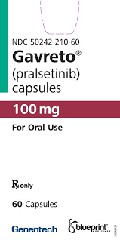
In the Chinese subgroup of the ARROW study, platinib also showed excellent efficacy. For treatment-naive Chinese RETfusion-positive NSCLC patients, the ORR of platinib reached 80.0%, DCR is86.7%. With the extension of follow-up time, in treated patients, the ORR increased to 66.7%, and the DCR reached 93.9%. These data demonstrate that the efficacy of platinib in Chinese RET fusion-positive NSCLC patients is consistent with international data and is well tolerated and safe.
Tumor response rate (ORR) is one of the important indicators to measure the effectiveness of tumor treatment. Platinib has demonstrated high ORR in multiple clinical trials, indicating that it can significantly reduce tumor volume and relieve patient symptoms.
Progression-free survival (PFS) is an important indicator for evaluating the duration of tumor treatment. Platinib-treated RETfusion-positive NSCLC patients’ PFS was significantly prolonged, providing patients with longer survival time.
Overall survival (OS) is the gold standard for evaluating the final effect of cancer treatment. In the ARROW study, the median OS of previously treated patients reached 44.3 months, while the median OS of treatment-naïve patients has not yet been reached, showing a significant improvement in patient survival with platinib.
The safety evaluation of Platinib shows that its adverse reaction spectrum is similar to other tyrosine kinase inhibitors (TKI), mainly hematological reactions, such as anemia, leukopenia, and thrombocytopenia. However, platinib did not show obvious cardiotoxicity or serious adverse reactions such as chylothorax, which makes it safer in clinical applications. In addition, most of the adverse reactions of platinib can be effectively controlled through dose adjustment or symptomatic treatment.
The combined use of platinib with other targeted drugs, immunotherapy or chemotherapy may further improve the treatment effect and prolong patient survival. In-depth understanding of the resistance mechanism of platinib and the development of new treatment strategies to overcome the resistance problem are important future research directions. In addition to NSCLC, platinib is used in other RETThe therapeutic potential in fusion-positive tumors also deserves further exploration and development.
[ 免责声明 ] 本页面内容来自公开渠道(如FDA官网、Drugs官网、原研药厂官网等),仅供持有医疗专业资质的人员用于医学药学研究参考,不构成任何治疗建议或药品推荐。所涉药品可能未在中国大陆获批上市,不适用于中国境内销售和使用。如需治疗,请咨询正规医疗机构。本站不提供药品销售或代购服务。


