
.jpeg)
What are the possible side effects of mitotane treatment?
Mitotane is widely used in the treatment of adrenocortical cancer and its efficacy is remarkable. However, like many powerful medications, it can come with a range of side effects. These side effects can have an impact on the patient's quality of life and course of treatment, so their prompt identification and management is crucial. The following is a detailed list of possible side effects of mitotane:
In the digestive system, mitotane may cause a variety of discomforts. Patients may feel nauseous and even vomit. This symptom is particularly noticeable in the early stages of treatment, but some patients may gradually adapt to it over time. In addition, drugs may also cause loss of appetite, affecting patients' daily diet and nutritional intake. Diarrhea and constipation are also possible side effects, which may be related to the drug's interference with intestinal function.
In terms of the nervous system, mitotane (mitotane) may cause patients to experience dizziness, headache and other symptoms, which may be related to blood pressure fluctuations or other reactions of the nervous system caused by the drug. Some patients may experience drowsiness or persistent fatigue, affecting their daily life and work productivity. More seriously, a small number of patients may develop coordination problems such as ataxia.
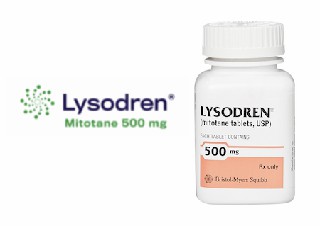
For the endocrine system, the effects of mitotane are particularly significant. Due to the mechanism of action of the drug, it may interfere with hormone levels in the body, causing abnormal thyroid function, which in turn can cause symptoms of hypothyroidism, such as fatigue and weight gain. More rarely, but potentially serious, drugs may affect the synthesis and release of adrenocortical hormones, leading to adrenocortical insufficiency.
The effect of mitotane on the liver cannot be ignored. Some patients may experience elevated liver enzymes after using the drug, which may be a sign of liver cell damage. In rare cases, medications may even cause jaundice, which is associated with disorders of bilirubin metabolism or bile excretion.
In addition to the systems listed above, mitotane may cause a variety of other side effects. Skin reactions are common and may manifest as rash, itching, and other symptoms. In terms of cardiovascular disease, patients may suffer from arrhythmias, blood pressure fluctuations and other problems. In addition, there are reports that mitotane may have an impact on the immune system, resulting in suppression of immune function or triggering an autoimmune reaction.
Overall, mitotane plays an important role in the treatment of adrenocortical cancer as an effective anticancer drug. However, the risk of side effects that may be associated with its use also needs to be fully taken into account. Doctors and patients should work closely together to regularly monitor and evaluate the patient's health status to ensure timely detection and treatment of possible side effects, thereby ensuring the safety and effectiveness of treatment while maximizing the patient's quality of life.
[ 免责声明 ] 本页面内容来自公开渠道(如FDA官网、Drugs官网、原研药厂官网等),仅供持有医疗专业资质的人员用于医学药学研究参考,不构成任何治疗建议或药品推荐。所涉药品可能未在中国大陆获批上市,不适用于中国境内销售和使用。如需治疗,请咨询正规医疗机构。本站不提供药品销售或代购服务。


