
.jpeg)
Sparsentine Instructions for Use
Indications:
Sparsentan, as a cutting-edge renal protection drug, mainly targets primary immunoglobulinA nephropathy (IgAnephropathy), a kidney disease that plagues many adults. One of the main features of this condition is an abnormal increase in protein in the urine, known as proteinuria. The introduction of sparsentan has brought new treatment hope to such patients. Its unique mechanism of action can significantly reduce protein levels in urine, thereby slowing the progression of the disease.
Mechanism of action:
The key to the role of sparsentane in the treatment ofIgA nephropathy lies in its unique dual receptor antagonistic mechanism. It not only blocks endothelinA receptors (ETA), but also inhibits angiotensin type II1 receptors (AT1). These two receptors play a vital role in regulating blood pressure and maintaining kidney function in the body. By acting on these two targets simultaneously, sparsentan can significantly reduce vasoconstriction in the kidneys and reduce inflammatory responses, thereby effectively protecting kidney function.
In the microstructure of the kidney, glomerular podocytes are key cells that filter blood. When these cells are damaged, proteinuria develops. Sparsentane maintains the normal filtration function of glomeruli by reducing podocyte damage, thereby reducing the excretion of proteinuria. This mechanism of action provides a solid theoretical basis for the use of sparsentane in the treatment of IgA nephropathy.
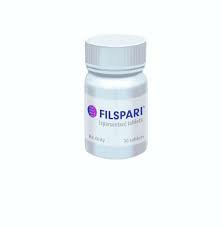
Medication instructions:
In order to ensure that sparsentan can exert its best effect, the medication method must be strictly followed. The initial dose is 200 mg orally daily for 14 days. Subsequently, the dose will be increased to 400mg per day to maintain therapeutic effects. Patients need to strictly follow the doctor's instructions to take medication to ensure the safety and effectiveness of the medication.
Side effects:
Although sparsentane is excellent in treatingIgA kidney disease, it may also cause some side effects. First, it may cause hepatotoxicity, manifested by increased serum aminotransferase levels, and may even lead to liver failure. Therefore, liver function needs to be monitored closely before use and during treatment. Secondly, sparsentane is potentially toxic to embryos and fetuses. Female patients should avoid pregnancy during treatment and take effective contraceptive measures. In addition, hypotension, acute kidney injury, hyperkalemia, fluid retention, etc. are also possible side effects. Patients should pay close attention to their condition while using sparsentan and seek medical attention immediately if symptoms of discomfort occur.
Warnings and precautions:
In view of the possible risk of hepatotoxicity caused by sparsentan, liver function tests should be performed before use and liver function should be monitored regularly during treatment. Once symptoms of hepatotoxicity occur, the drug should be discontinued and medical treatment should be sought immediately. At the same time, female patients should confirm that they are not pregnant before use, and take effective contraceptive measures during treatment and within one month after stopping the drug. In addition, spaxentan may interact with a variety of drugs, especially combined use with renin-angiotensin system (RAS) inhibitors, endothelin receptor antagonists, or vasoactive drugs such as aliskiren should be strictly avoided. For lactating women, children, the elderly and patients with liver and kidney dysfunction, special caution is required when using sparsentane, and medication should be taken under the guidance of a doctor.
[ 免责声明 ] 本页面内容来自公开渠道(如FDA官网、Drugs官网、原研药厂官网等),仅供持有医疗专业资质的人员用于医学药学研究参考,不构成任何治疗建议或药品推荐。所涉药品可能未在中国大陆获批上市,不适用于中国境内销售和使用。如需治疗,请咨询正规医疗机构。本站不提供药品销售或代购服务。


