
.jpeg)
LGA’s new nephropathy treatment drug sparsentan is officially launched, the latest information
Recently, a major breakthrough has occurred in the field of kidney disease treatment—— The launch of a new drug Sparsentan (trade name: Filspari) for the treatment of LGA nephropathy (usually referred to as IgA nephropathy, immunoglobulin A nephropathy) has brought new hope to many patients suffering from this disease.
IgANephropathy is one of the most common primary glomerular diseases worldwide. It is characterized by the deposition of large amounts of immunoglobulinA in the glomeruli, leading to glomerular damage and dysfunction. This disease not only affects the patient's quality of life, but may also further develop into chronic kidney disease (CKD) and renal failure, posing a serious threat to the patient's health. Therefore, the development of effective therapeutic drugs for IgA nephropathy is particularly important.
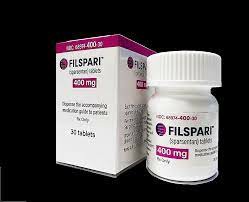
On 20232month17, the U.S. Food and Drug Administration ( span>The FDA) has granted accelerated approval to sparsentan for the purpose of reducing proteinuria in adult patients with IgA nephropathy who are at risk for rapid disease progression. This approval is based on data support from multiple clinical trials, particularly the 2 year confirmation results of the PROTECT study, which showed the significant efficacy of sparsentan in reducing proteinuria and protecting renal function.
Sparsentan is a dual endothelin-angiotensin receptor antagonist, which works by simultaneously blocking endothelinA type (ETA) receptors and angiotensinII Type 1 (AT1) receptor achieves effective intervention in two key pathways for the progression of IgA nephropathy. This dual blocking mechanism of action makes sparsentan excellent in protecting glomerular podocytes and preventing glomerulosclerosis and mesangial cell proliferation, thereby significantly reducing proteinuria and protecting renal function.
Clinical trial data show that sparsentane has achieved impressive efficacy in the treatment ofIgA nephropathy. Compared with the control drug irbesartan, patients treated with sparsentan experienced a 49.8% reduction in proteinuria levels over 36 weeks, compared with only 15.1% in the irbesartan group. In addition, the rate of renal function decline in the sparsentane treatment group was significantly slower than that in the control group. In terms of safety, sparsentan is generally well tolerated, and its side effects are comparable to those of irbesartan, mainly including peripheral edema, hypotension, dizziness, etc., but no serious adverse reactions occurred.
[ 免责声明 ] 本页面内容来自公开渠道(如FDA官网、Drugs官网、原研药厂官网等),仅供持有医疗专业资质的人员用于医学药学研究参考,不构成任何治疗建议或药品推荐。所涉药品可能未在中国大陆获批上市,不适用于中国境内销售和使用。如需治疗,请咨询正规医疗机构。本站不提供药品销售或代购服务。


