
.jpeg)
Can I take fenelide without diabetic nephropathy?
Finerenone (Finerenone) is indicated to reduce the risk of persistent decline in estimated glomerular filtration rate (eGFR), end-stage renal disease, cardiovascular death, nonfatal myocardial infarction, and hospitalization for heart failure in adults with chronic kidney disease (CKD) associated with type 2 diabetes. The American Diabetes Association and Kidney Disease Guidelines: Improving Global Outcomes recommend the use of fenelidone in patients with type 2 diabetes and CKD who are at high risk for CKD progression and cardiovascular events despite use of recommended treatments.
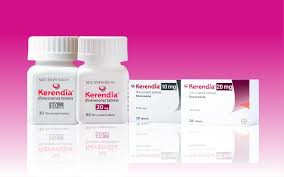
According to existing research and clinical practice, fenelidone is mainly suitable for patients with type 2 diabetes and chronic kidney disease accompanied by albuminuria. For patients without diabetic nephropathy, the applicability of fenelidone requires further study and exploration. Although fenelidone has shown good efficacy in treating diabetic nephropathy, it also has certain side effects and risks. Common side effects include hyperkalemia, hypernatremia, hypotension, allergies, kidney damage, etc. Prolonged use of fenelidone may also cause damage to kidney function and affect normal urination. Therefore, use of fenelidone in the absence of clear indications may increase unnecessary risks.
Hyperkalemia may occur in patients who take an overdose of fenelinone. Even if there is an overdose, fenelidone should be stopped immediately. Treat patients symptomatically and supportively, including treatment of hyperkalemia if present. Because of the high plasma protein binding of fenelidone, hemodialysis is not expected to clear fenelidone from the blood.
In summary, for patients without diabetic nephropathy, whether they can take fenelidone needs to be carefully considered. In the absence of clear indications, discretionary use of fenelidone is not recommended. If it is really necessary to use this drug, it should be done under the guidance of a doctor, and regular follow-up visits should be carried out to detect changes in blood potassium, renal function and other indicators to ensure the effectiveness and safety of the treatment.
[ 免责声明 ] 本页面内容来自公开渠道(如FDA官网、Drugs官网、原研药厂官网等),仅供持有医疗专业资质的人员用于医学药学研究参考,不构成任何治疗建议或药品推荐。所涉药品可能未在中国大陆获批上市,不适用于中国境内销售和使用。如需治疗,请咨询正规医疗机构。本站不提供药品销售或代购服务。


