
.jpeg)
Under what circumstances should you take fenelidone for kidney disease?
Finerenone (Finerenone) is a treatment drug for patients with specific kidney diseases. It is mainly used to treat chronic kidney disease related to type 2 diabetes, especially those with proteinuria. People with kidney disease may consider fenelidone if:
The approved indication for fenelidone is specifically for adults with chronic kidney disease associated with type 2 diabetes and proteinuria. A symptom of proteinuria, an abnormally high amount of protein in the urine, is an important sign of impaired kidney function. Such patients have typically been treated with angiotensin-converting enzyme inhibitors (ACEI) or angiotensin II receptor blockers (ARB) at the maximum tolerated dose, but still show signs of progressive decline in renal function.
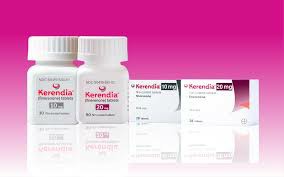
Diabetes is the leading cause of chronic kidney disease. Both diabetes and diabetic nephropathy increase the risk of cardiovascular disease. Slowing the progression of chronic kidney disease and addressing cardiovascular disease risk are important components of diabetes management. Fennelidone, as a new non-steroidal mineralocorticoid receptor antagonist (MRA), works by inhibiting the excessive activation of mineralocorticoid receptors to slow the progression of chronic kidney disease. Excessive activation of mineralocorticoid receptors is closely related to cardiorenal disease, and fenelinone can reduce this activation, thus protecting renal function.
In addition, fenelidone has a lower risk of hyperkalemia than conventional steroidsMRA. This is because fenelinone is more selective for the mineralocorticoid receptor and can more precisely inhibit its activity while reducing interference with other physiological processes. This makes fenelidone more safe and tolerable in the treatment of renal disease.
[ 免责声明 ] 本页面内容来自公开渠道(如FDA官网、Drugs官网、原研药厂官网等),仅供持有医疗专业资质的人员用于医学药学研究参考,不构成任何治疗建议或药品推荐。所涉药品可能未在中国大陆获批上市,不适用于中国境内销售和使用。如需治疗,请咨询正规医疗机构。本站不提供药品销售或代购服务。


