
.jpeg)
The effectiveness and potential risks of fenelidone in the treatment of chronic kidney disease in type 2 diabetes
Finerenone (Finerenone), known as a new generation of selective mineralocorticoid receptor antagonists (MRA), has shown significant efficacy in the treatment of chronic kidney disease (CKD) in adults with type 2 diabetes (T2D) in recent years. For this special group of patients, this drug can significantly reduce the risk of sustained decline in estimated glomerular filtration rate (eGFR) and reduce the incidence of end-stage renal disease. It can also reduce the risk of cardiovascular death, non-fatal myocardial infarction, and hospitalization for heart failure.
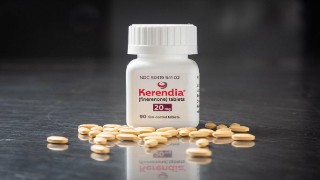
Finelidone has attracted widespread attention in the medical community due to its unique mechanism. As a nonsteroidal selective mineralocorticoid receptor (MR) antagonist, it can precisely block MR-mediated sodium reabsorption in epithelial tissues such as kidneys and non-epithelial tissues such as heart and blood vessels, and inhibit excessive activation of MR. Notably, this overactivated MR is considered by scientists to be an important contributor to fibrosis and inflammation. Fenelidone not only has high potency and selectivity against MR, but also does not have significant affinity for androgen, progesterone, estrogen, and glucocorticoid receptors. This feature significantly improves its safety and pertinence in the treatment process.
However, like many powerful medications, the use of fenelidone comes with certain risks. In clinical trials, the most common side effect was hyperkalemia. This symptom manifests as an abnormally high concentration of potassium ions in the blood, which may cause discomfort such as nausea, weakness, chest pain, and movement disorders. Therefore, doctors need to carefully monitor patients' serum potassium levels when prescribing fenelidone and take appropriate intervention measures when necessary.
In addition, use of fenelidone may cause hyponatremia (a decrease in the level of sodium ions in the blood) and low blood pressure. Low blood pressure can cause symptoms such as headaches, confusion, weakness, and loss of balance. To ensure patient safety, physicians should fully assess the patient's blood pressure and electrolyte levels before initiating fenelinone treatment and perform ongoing and careful monitoring throughout treatment.
[ 免责声明 ] 本页面内容来自公开渠道(如FDA官网、Drugs官网、原研药厂官网等),仅供持有医疗专业资质的人员用于医学药学研究参考,不构成任何治疗建议或药品推荐。所涉药品可能未在中国大陆获批上市,不适用于中国境内销售和使用。如需治疗,请咨询正规医疗机构。本站不提供药品销售或代购服务。


