
.jpeg)
Cycloserine therapeutic efficacy and clinical application
Cycloserine (Cycloserine), as an important anti-tuberculosis drug, has shown remarkable results in the treatment of multidrug-resistant tuberculosis (MDR-TB) and extensively drug-resistant tuberculosis (XDR-TB). Its treatment effectiveness, that is, the proportion of tuberculosis bacteria that are completely eliminated or effectively controlled after patients receive cycloserine treatment, is a key indicator to measure its efficacy.
Many clinical studies and reports show that the effective rate of cycloserine in treating MDR-TB and XDR-TB is generally within the range of 50% to 70%. This effectiveness rate is affected by many factors, including the patient's overall health, the drug-resistant characteristics of the TB strain, the development of the treatment plan, and the patient's compliance with treatment.
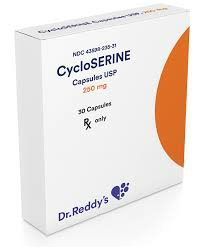
Specifically, some studies have revealed that including cycloserine in combined multidrug regimens can significantly improve treatment success. For example, in the treatment of MDR-TB, when cycloserine is combined with other second-line anti-tuberculosis drugs, the treatment success rate can reach 60% to 70%. Even in the more difficult field of treatment of XDR-TB, cycloserine has demonstrated its unique value in a comprehensive treatment strategy.
However, the therapeutic effectiveness of cycloserine is also limited by its potential side effects. Common side effects include neurological symptoms, including headache, insomnia, anxiety, and epileptic seizures, which may affect patients' compliance with treatment and thus weaken the effectiveness of treatment. Therefore, when using cycloserine, the medical team needs to conduct strict blood concentration monitoring and neurological assessment to ensure that side effects are minimized.
In addition, the therapeutic effectiveness of cycloserine is highly dependent on the comprehensiveness and individualization of treatment. When formulating a treatment plan, medical professionals will consider the patient's specific circumstances, such as the drug susceptibility test results of the TB strain, the patient's medical history, and overall health, to select the most appropriate drug combination and dose. This personalized treatment plan is designed to maximize the therapeutic effects of cycloserine and give patients hope for a better recovery.
[ 免责声明 ] 本页面内容来自公开渠道(如FDA官网、Drugs官网、原研药厂官网等),仅供持有医疗专业资质的人员用于医学药学研究参考,不构成任何治疗建议或药品推荐。所涉药品可能未在中国大陆获批上市,不适用于中国境内销售和使用。如需治疗,请咨询正规医疗机构。本站不提供药品销售或代购服务。


