
.jpeg)
Personalized adjustments and precautions for cycloserine dosage guide
Cycloserine (Cycloserine) is a key drug in the treatment of multidrug-resistant tuberculosis (MDR-TB) and extensively drug-resistant tuberculosis (XDR-TB). Its dosage needs to be adjusted individually according to the patient's specific condition. This includes factors such as the patient's weight, renal function status and the presence of other comorbidities.
Generally speaking, the recommended daily dose of cycloserine ranges from 500 to 1000 mg, taken in two divided doses. However, actual dosage will vary based on individual differences. Typically, treatment is initiated with a starting dose of 250 mg taken every 12 hours, with the dose titrated based on treatment response and patient tolerance. The initial use of lower doses, such as 250 mg twice daily, is to better observe patient tolerance and potential side effects.
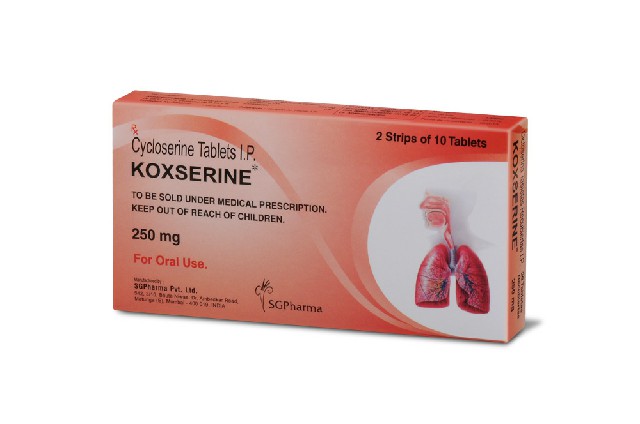
For pediatric patients, the dosage of cycloserine is usually calculated based on body weight, and the generally recommended daily dose is 10 to 20 mg per kilogram of body weight, taken in two divided doses. Similar to adults, children's dosage needs to be increased gradually and the drug's efficacy and possible side effects need to be closely monitored.
For patients with renal insufficiency, dose adjustment of cycloserine is particularly critical. Since this drug is primarily excreted through the kidneys, reduced kidney function may cause the drug to accumulate in the body, increasing the risk of side effects. Therefore, for such patients, it is usually necessary to reduce the dose and appropriately extend the medication interval based on the actual renal function. For example, patients with severely impaired kidney function may need to take it every 24 to 48 hours.
During treatment, regular blood concentration monitoring and neurological assessment are essential. This ensures that the drug remains within an effective concentration range while avoiding serious side effects. It is generally recommended to control the blood drug concentration between 20 and 35micrograms/ml to achieve optimal therapeutic effect and reduce the risk of neurotoxicity. Neurologic symptoms such as headache, insomnia, anxiety, and seizures are common side effects of cycloserine and require close monitoring.
[ 免责声明 ] 本页面内容来自公开渠道(如FDA官网、Drugs官网、原研药厂官网等),仅供持有医疗专业资质的人员用于医学药学研究参考,不构成任何治疗建议或药品推荐。所涉药品可能未在中国大陆获批上市,不适用于中国境内销售和使用。如需治疗,请咨询正规医疗机构。本站不提供药品销售或代购服务。


