
.jpeg)
What are the treatment options after osimertinib resistance?
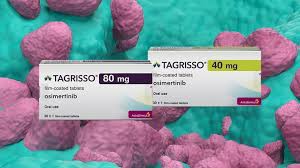
Treatment options for osimertinib (Tagrisso) resistance are diverse, mainly depending on the specific mechanism of resistance. Osimertinib, as a third-generation EGFR tyrosine kinase inhibitor, was originally an effective drug for patients with non-small cell lung cancer with EGFR mutations. However, after long-term use, some patients may develop drug resistance, and at this time, treatment strategies need to be adjusted accordingly.
When resistance to osimertinib occurs, a feasible option is to use a first-generation tyrosine kinase inhibitor, such as gefitinib or erlotinib, which can restore certain therapeutic effects in some cases. Another possibility is that if small cell lung cancer transformation occurs after drug resistance, chemotherapy regimens targeting small cell lung cancer may be used.
For those patients whose resistance mechanisms are unclear, systemic chemotherapy has become a feasible option, using chemotherapy drugs such as cisplatin and paclitaxel to control the progression of the disease. In addition, if resistance is due to MET amplification, the use of MET inhibitors, such as crizotinib or servotinib, may also be an effective treatment strategy.
In addition to the above options, immunotherapy and radiotherapy are also treatment options for drug resistance. Immunotherapy, especially for patients with higher PD-L1 expression, PD-1/PD-L1 inhibitors can be used. Radiotherapy can be used as an adjuvant treatment to help control lung cancer that progresses locally or metastasizes.
It is worth noting that each patient's specific situation is unique, so the treatment plan after drug resistance should be formulated by a professional doctor based on the patient's specific situation. At the same time, treatment after drug resistance also needs to comprehensively consider factors such as the patient's physical condition, tolerance, and quality of life.
In general, the treatment options after osimertinib resistance are diversified, including replacement of targeted drugs, chemotherapy, immunotherapy, radiotherapy and other methods, aiming to maximize the patient's survival and improve the quality of life.
[ 免责声明 ] 本页面内容来自公开渠道(如FDA官网、Drugs官网、原研药厂官网等),仅供持有医疗专业资质的人员用于医学药学研究参考,不构成任何治疗建议或药品推荐。所涉药品可能未在中国大陆获批上市,不适用于中国境内销售和使用。如需治疗,请咨询正规医疗机构。本站不提供药品销售或代购服务。


