
.jpeg)
Advantages and Side Effects of Tucatinib
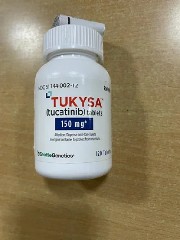
Tucatinib (Tucatinib) is an oral, small molecule tyrosine kinase inhibitor targeting HER2 (human epidermal growth factor receptor 2), indicated for the treatment of HER2 -positive breast cancer. HER2Positive breast cancer is a more aggressive type of breast cancer with excessive HER2 receptor expression on the surface of cancer cells, accounting for about 15-20% of all breast cancer cases. Tucatinib (Tucatinib) prevents the proliferation and spread of cancer cells by highly selectively inhibiting the tyrosine kinase activity of HER2 and blocking the activation of the HER2 signaling pathway. Below is a detailed introduction to the main benefits and side effects of Tucatinib.
Advantages
1. High selectivity: Tucatinib is highly selective and mainly targets the HER2 receptor, while its inhibitory effect on other HER family members (such as HER1/EGFR) is weak. This high selectivity reduces side effects associated with non-target receptors, making it safer and more tolerable when treating HER2-positive breast cancer.
2. Effective treatment of brain metastases: A considerable proportion of HER2 positive breast cancer patients will develop brain metastases, and traditional therapeutic drugs often have difficulty penetrating the blood-brain barrier. Tucatinib (Tucatinib) can penetrate the blood-brain barrier and directly act on HER2 positive cancer cells in the brain, improving the therapeutic effect on patients with brain metastases. In the HER2CLIMB trial, tucatinib significantly prolonged progression-free survival and overall survival in patients with brain metastases.
3. The effect of combination therapy is significant: Tucatinib (Tucatinib) is usually used in combination with other antiHER2 drugs, such as trastuzumab (trastuzumab) and capecitabine (capecitabine). This combined treatment strategy significantly improves treatment efficacy. HER2CLIMBThe test results show that,Tucatinib (Tucatinib) The treatment regimen combined with trastuzumab and capecitabine significantly prolonged the progression-free survival and overall survival of patients, especially showing higher efficacy in patients with brain metastases.
4. Improve quality of life: By prolonging progression-free survival and overall survival, tucatinib not only improves HER2 positive breast cancer patients’ chances of survival but also improves their quality of life. The patient was able to maintain a good level of daily activities and living conditions during the treatment with tucatinib.
Side effects
Althoughtucatinib has shown significant efficacy in treatingHER2positive breast cancer, it is still associated with some side effects. These side effects are often related to the pharmacological effects of tucatinib and individual patient differences.
1. Diarrhea: Diarrhea is one of the most common side effects of tucatinib (tucatinib) . Most patients will experience varying degrees of diarrhea during treatment. Severe diarrhea may lead to dehydration and electrolyte imbalance, requiring prompt medical intervention and symptomatic treatment. To manage this side effect, your doctor may recommend anti-diarrhea medications and increased fluid intake.
2. Hand-foot syndrome: Hand-foot syndrome is another common side effect, characterized by redness, swelling, pain, and peeling of the skin on the palms and soles of the feet. This discomfort is often associated with the concomitant use of capecitabine. To reduce the symptoms of hand-foot syndrome, patients can use moisturizers and avoid prolonged friction and pressure.
3. Nausea and Vomiting: Some patients may experience symptoms of nausea and vomiting when receiving tucatinib treatment. Although these symptoms are usually mild to moderate, they may still affect a patient's quality of life. Your doctor may prescribe anti-nausea medications to help manage these symptoms.
4. Abnormal liver function: Tucatinib may cause abnormalities in liver function indicators, including transaminases (ALT and AST) levels are elevated. Regular monitoring of liver function is necessary so that any abnormalities can be detected and dealt with promptly. For severe hepatic dysfunction, dose adjustment or treatment suspension may be necessary.
5. Fatigue: Fatigue is one of the more common side effects of tucatinib treatment. Patients may experience extreme fatigue and weakness, which may affect daily activities and quality of life. In order to relieve fatigue, patients should maintain adequate rest, engage in appropriate light exercise, and maintain healthy eating habits.
6. Skin : Some patients may develop a rash while receiving tucatinib . The rash is usually mild, but in some cases it may need to be treated with topical medications or oral antibiotics. Keeping your skin clean and dry, and avoiding irritants, can help reduce symptoms.
As a tyrosine kinase inhibitor targeting the HER2 receptor, tucatinib has demonstrated significant advantages in the treatment of HER2-positive breast cancer, especially its high selectivity, effective treatment of brain metastases, significant combination therapy effects, and improved patient quality of life. However, patients still need to pay attention to possible side effects when receiving treatment with tucatinib, such as diarrhea, hand-foot syndrome, nausea and vomiting, abnormal liver function, fatigue and rash. To maximize the benefit from tucatinib treatment while minimizing side effects, patients should be treated under the guidance of a physician and undergo regular health monitoring. By comprehensively considering the advantages and side effects of drugs and formulating personalized treatment plans, patients withHER2positive breast cancer can obtain the best therapeutic effect and quality of life.
[ 免责声明 ] 本页面内容来自公开渠道(如FDA官网、Drugs官网、原研药厂官网等),仅供持有医疗专业资质的人员用于医学药学研究参考,不构成任何治疗建议或药品推荐。所涉药品可能未在中国大陆获批上市,不适用于中国境内销售和使用。如需治疗,请咨询正规医疗机构。本站不提供药品销售或代购服务。


