
.jpeg)
Tucatinib Medication Guide: Detailed explanation of usage, dosage and dose adjustment
1. Introduction to Tucatinib
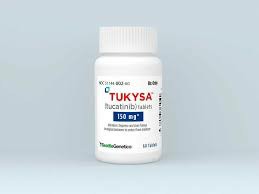
Tucatinib (Tucatinib), as an innovative targeted drug, is designed to treat HER2-positive breast cancer. As an oral tyrosine kinase inhibitor, it can precisely inhibit the HER2 receptor and effectively prevent the growth and spread of cancer cells. Its excellent efficacy has been fully verified in multiple clinical trials, especially when used in combination with other anti-HER2 therapeutic drugs.
2. Indications of tucatinib
Tucatinib is mainly used in the treatment of HER2-positive advanced or metastatic breast cancer, especially for patients who have experienced at least two anti-HER2 treatment regimens. In clinical practice, it is usually used in combination with trastuzumab (Herceptin) and capecitabine (Capecitabine) to achieve better therapeutic effects.
3. Usage and dosage of tucatinib
1.Recommended dosage
The recommended dose of tucatinib is 300 milligrams twice daily. The dosage of the drug used in combination with it is as follows: Trastuzumab is used according to the standard dose and dosing schedule. The initial loading dose is usually 8mg/kg body weight, followed by maintenance every three weeks 6mg// span>Kilograms of body weight; the recommended dose of capecitabine is 1000mg per square meter of body surface area, twice a day (morning and evening) for 14 days, and then discontinued for 7 days to form a complete treatment cycle.
2.Time and method of taking medicine
Tucatinib should be taken at the same time every day, with or without food. To reduce irritation to the gastrointestinal tract, patients are advised to take it with a meal. Capsules should be swallowed whole and avoid chewing, crushing or opening.
3.Treatment duration
Patients should continue taking tucatinib until disease progression or intolerable toxicity occurs. During treatment, doctors will regularly evaluate the patient's condition and treatment response, and adjust the treatment plan as needed.
4. Dose adjustment for special groups
1.Patients with liver dysfunction
In patients with mild or moderate hepatic impairment (Child-Pugh A or B), no adjustment in the starting dose of tucatinib is required. However, in patients with severe hepatic impairment (Child-Pugh C), it is recommended that the dose of tucatinib be reduced to 200 mg twice daily.
2.Patients with renal insufficiency
No dose adjustment of Tucatinib is required in patients with mild to moderate renal impairment (creatinine clearance 30-89 ml/minutes). For patients with severe renal insufficiency (creatinine clearance <30ml/minutes), due to limited relevant data, it should be used with caution and renal function should be closely monitored during treatment.
3.Elderly patients
Clinical trial data show that there is no significant difference in pharmacokinetics and safety between elderly patients (65 years and above) and younger patients, so no special dose adjustment is required. However, it should be noted that elderly patients often have multiple comorbidities, and drug interactions and tolerances may be different, so individualized assessment is required.
5. Toxicity management and dose adjustment strategies
1. Management of gastrointestinal adverse reactions
Diarrhea is one of the common adverse reactions of tucatinib. For mild to moderate diarrhea, symptomatic treatment with antidiarrheal drugs (such as loperamide) and maintaining good hydration are recommended. For severe or persistent diarrhea, the drug may need to be temporarily discontinued or the dose reduced.
2.Management of abnormal liver function
During treatment, patients' liver function needs to be monitored regularly. For ALT or AST elevation exceeding 3 times the upper limit of normal (ULN< span>), or for patients whose total bilirubin rises more than 2 times ULN, it is recommended to suspend tucatinib (tucatinib) treatment. After the liver function recovers, the dose can be reduced or the treatment can be resumed according to the situation.
3.Skin toxicity management
Hand-foot syndrome is another common side effect. Patients are advised to use moisturizer and avoid mechanical irritation. For severe skin reactions, consider reducing the dose or suspending treatment.
4.Management of other adverse reactions
For other common side effects, such as nausea, vomiting, fatigue, etc., symptomatic treatment can be carried out according to the symptoms. If symptoms seriously affect the patient's quality of life, dosage adjustment or treatment suspension should be considered.
Tucatinib (Tucatinib) is a highly effective treatment drug for HER2 positive breast cancer. Its reasonable medication method and dose adjustment are of vital significance for optimizing the treatment effect and reducing side effects. Through individualized treatment and comprehensive management, Tucatinib is expected to be HER2Positive breast cancer patients experience better survival and quality of life. As more clinical studies proceed in the future, the indications and medication guidance for tucatinib will continue to improve, bringing good news to more patients.
[ 免责声明 ] 本页面内容来自公开渠道(如FDA官网、Drugs官网、原研药厂官网等),仅供持有医疗专业资质的人员用于医学药学研究参考,不构成任何治疗建议或药品推荐。所涉药品可能未在中国大陆获批上市,不适用于中国境内销售和使用。如需治疗,请咨询正规医疗机构。本站不提供药品销售或代购服务。


