
.jpeg)
Detailed explanation of adverse reactions and management strategies of tucatinib in the treatment of HER2-positive breast cancer
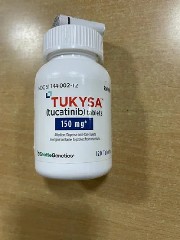
Tucatinib (Tucatinib), as a targeted therapy drug designed to treat HER2 positive breast cancer, has demonstrated significant efficacy in multiple clinical trials. However, as with any powerful drug, the use of tucatinib comes with a range of possible adverse effects. These reactions may not only affect the patient's quality of life but may also affect treatment compliance. Therefore, it is crucial for health care professionals and patients to understand and effectively manage these adverse effects. This article will take an in-depth look at the various adverse reactions that may be caused by tucatinib and their corresponding management strategies.
1. Gastrointestinal reactions and their management
Diarrhea: Diarrhea is the most common adverse reaction during tucatinib treatment, with approximately 80% of patients reporting varying degrees of diarrhea. This may be due to the drug's effect on intestinal water and electrolytes. Diarrhea may manifest as frequent, watery stools, and in severe cases may be accompanied by abdominal pain and dehydration. To manage this symptom, health care providers may recommend antidiarrheal medications and remind patients to stay well hydrated.
Nausea and vomiting: Nausea and vomiting are also common gastrointestinal reactions, affecting about40% of patients during treatment. These symptoms can significantly interfere with patients' daily lives and therefore require timely and effective management strategies, such as the use of anti-nausea medications.
2. Skin and hair reactions and their responses
Hand-foot syndrome: This is a specific skin reaction characterized by redness, swelling, pain, and peeling of the palms and soles of the feet. To reduce this symptom, patients can use moisturizers and avoid mechanical irritation.
Rash: Rash is another common skin reaction that may appear as redness, itching, or a maculopapular rash. These symptoms are usually mild, but in rare cases may require discontinuation of the medication.
Hair changes: During treatment, patients may notice hair thinning or falling out. Although this side effect is relatively rare, it is something to be concerned about and may require appropriate action.
3. Abnormal liver function and its monitoring
Tucatinib may cause increases in liver function markers such as ALT and AST. The condition is usually mild but may be significant in some patients. Therefore, liver function needs to be monitored regularly during treatment.
4. Other common adverse reactions and their treatments
Fatigue: About30% of patients will feel fatigue to varying degrees during treatment. This feeling may be related to the treatment itself or other factors such as emotional state and nutritional status. To manage this symptom, health care providers may advise patients to engage in moderate exercise and maintain good nutrition.
Headache: Headache is another common adverse reaction that is usually mild and may be related to the neurologic effects of the drug. Regular pain medications can be used for relief if needed.
5. Serious adverse reactions and close monitoring
Cardiotoxicity: Tucatinib may cause cardiotoxicity, especially when combined with other antiHER2 therapies. This includes atrial fibrillation, cardiomyopathy, or other cardiac dysfunction. Therefore, cardiac function needs to be monitored closely during treatment.
Pulmonary Toxicity: Although rare, pulmonary toxicity may occur during treatment with tucatinib. This manifests as difficulty breathing, coughing, or lung lesions. For this serious adverse reaction, medical staff need to remain highly vigilant and take corresponding treatment measures when necessary.
In summary, tucatinib (tucatinib) as an effective targeted therapy drug, has demonstrated significant efficacy in the treatment of HER2 positive breast cancer. However, its adverse reactions cannot be ignored. When using Tucatinib, medical staff and patients need to work closely together to effectively monitor and manage adverse reactions. By continuously optimizing management strategies, we believe we can provide more patients with safer and more effective treatment options.
[ 免责声明 ] 本页面内容来自公开渠道(如FDA官网、Drugs官网、原研药厂官网等),仅供持有医疗专业资质的人员用于医学药学研究参考,不构成任何治疗建议或药品推荐。所涉药品可能未在中国大陆获批上市,不适用于中国境内销售和使用。如需治疗,请咨询正规医疗机构。本站不提供药品销售或代购服务。


