
.jpeg)
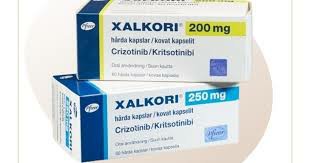
Crizotinib targeted drug instructions, indications, usage and dosage, side effects
Crizotinib is used to treat certain types of non-small cell lung cancer (NSCLC) that have spread to nearby tissue or other parts of the body (NSCLC). It is also used to treat some adults and children 1 year and older when a certain type of anaplastic large cell lymphoma (ALCL) comes back or doesn't respond to other treatments. Crizotinib is also used to treat a certain type of inflammatory myofibroblastic tumor (IMT; a type of cancer that usually occurs in the mucosal tissue of the abdominal area, involving the lungs, bladder, stomach, uterus, liver, or intestines) that cannot be treated with crizotinib in adults and children 1 year and older who have not improved or have come back after surgery or previous treatment. Crizotinib belongs to a class of drugs called kinase inhibitors. It works by blocking the action of a natural substance that may be necessary to help cancer cells multiply.
Usage and dosage: Commonly used dosages are as follows. Your doctor may adjust the dose based on your response or personal factors. Take the dose prescribed by your doctor.
Metastatic Usual adult dose for NSCLC or unresectable IMT: 250 mg PO twice daily
Lymphoma or unresectable Usual pediatric dose of IMT: 280 mg/m2 PO twice daily
SIDE EFFECTS: Get emergency medical help if you have signs of an allergic reaction to crizotinib: hives; trouble breathing; swelling of the face, lips, tongue, or throat.
Crizotinib may cause serious side effects, including:
Life-threatening liver damage that may lead to death. Your primary care physician should perform blood tests to check your liver every 2 weeks for the first 2 months of treatment, and then once a month or as recommended. Tell your doctor right away if you have any of the following new or worsening symptoms: yellowing of the skin or whites of the eyes; decreased appetite; severe fatigue; pain on the right side of the stomach; dark or brown (tea-colored) urine; bleeding or bruising more easily than usual; nausea or vomiting; itching.
Life-threatening lung problems can lead to death. Symptoms may be similar to those of lung cancer. Tell your doctor right away if you have any new or worsening symptoms, including: difficulty breathing or shortness of breath; cough with or without mucus; fever.
Heartbeat that is very slow, very fast, or abnormal. Your doctor may check your pulse rate and blood pressure periodically during treatment. If you feel dizzy, weak, or have an abnormal heartbeat, tell your doctor right away. Tell your primary care doctor if you take any heart or blood pressure medications.
Vision problems are common with crizotinib. These usually occur within 1 week of starting treatment and can be severe and may result in partial or complete loss of vision in one or both eyes. Tell your doctor right away if you have any new vision problems, vision loss, or any vision changes, including: double vision; light damage to your eyes; seeing flashes of light; new or increased floaters; blurred vision.
Your primary care doctor may refer you to an eye specialist before starting crizotinib and within 1 month after starting crizotinib To check for vision problems. During treatment, you should have eye exams every 3 months, or more often if any new vision problems develop.
Crizotinib may cause severe diarrhea, nausea, vomiting, or mouth sores. Tell your crizotinib doctor right away if you have problems with swallowing, vomiting, or diarrhea during treatment.
See your doctor right away if you have: increased eye sensitivity to light, seeing flashes of light or "floaters"; blurred vision, double vision, or vision loss; fast or pounding heartbeat, chest fluttering, shortness of breath, and sudden dizziness (as you might like passing out); a very slow heartbeat; a dizzy feeling, like you might pass out; sudden chest pain or discomfort, wheezing, dry cough or cough with mucus, shortness of breath; fever, swollen gums, mouth sores, pain when swallowing, cold or flu symptoms; easy bruising or bleeding (nosebleeds, bleeding gums), or liver problems - Nausea, upper abdominal pain, itching, tiredness, loss of appetite, dark urine, clay-colored stools, jaundice (yellowing of the skin or eyes).
Common side effects of crizotinib may include: nausea, vomiting, loss of appetite; diarrhea, constipation; cough; headache; mouth sores; nerve pain; abnormal liver function tests; swelling of the hands, feet, or eyes; numbness or tingling in the hands and feet; muscle weakness, difficulty walking; cold symptoms such as stuffy nose, sneezing, sore throat; dizziness, tiredness, or vision problems. This is not a complete list of side effects, and other side effects may occur.
Precautions: Crizotinib can cause serious heart, lung, or liver problems. Call your doctor right away if you have: fast or pounding heartbeat, sudden dizziness, shortness of breath, tiredness, itching, upper abdominal pain, dark urine, clay-colored stools, or jaundice (yellowing of the skin or eyes).
Vision changes, including severe vision loss, have been reported with crizotinib. Your primary care doctor will monitor you for any changes in vision; tell them right away if you experience any vision loss.
Crizotinib can cause severe nausea, vomiting, diarrhea, and mouth sores, especially in children or young adults. Your primary care physician will monitor this, prescribe standard antidiarrheal or antiemetic medications, and review treatment if necessary.
May harm an unborn baby. Do not take crizotinib if you are pregnant. Whether you are a man or a woman, use effective birth control while you are using this medication and for at least 3 months after you end treatment.
It is not known whether crizotinib is safe and effective in older adults with ALCL or in children younger than 1 year of age with ALCL or IMT.
Storage: Store at room temperature 20° to 25°C (68° to 77°F); permitted between 15°C to 30°C (59°F to 86°F).
[ 免责声明 ] 本页面内容来自公开渠道(如FDA官网、Drugs官网、原研药厂官网等),仅供持有医疗专业资质的人员用于医学药学研究参考,不构成任何治疗建议或药品推荐。所涉药品可能未在中国大陆获批上市,不适用于中国境内销售和使用。如需治疗,请咨询正规医疗机构。本站不提供药品销售或代购服务。


