
.jpeg)
How is crizotinib targeted drug treatment?
Crizotinib, as a targeted drug, has shown significant results in the treatment of advanced lung cancer. This drug specifically targets cancer cells with positive expression of ALK or ROS1 genes and controls the development of cancer by inhibiting the growth and proliferation of these cancer cells. Crizotinib is not only the world's first targeted drug for ALK mutation-positive non-small cell lung cancer, but its efficacy is very significant. It can effectively reduce the risk of recurrence and metastasis of patients, improve the therapeutic effect of the drug, and thereby prolong the patient's life.
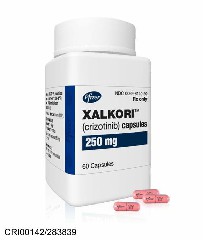
During the use of crizotinib, the drug will directly act on abnormalALK gene mutant cells, inhibiting their signal transduction pathways, thus hindering further invasion and metastasis of cancer cells. This precise treatment method makes crizotinib the hope for many patients with ALK-positive lung cancer.
However, like many powerful drugs, crizotinib may come with some side effects. Patients may experience gastrointestinal reactions such as indigestion, nausea, and vomiting, and may also cause visual disorders such as double vision, blurred vision, etc. In addition, crizotinib may also cause abnormal liver function, manifested as increased transaminases, etc. Therefore, liver function needs to be monitored regularly during use.
Despite these side effects, the efficacy of crizotinib in the treatment ofALK-positive non-small cell lung cancer is remarkable. For suitable patients, crizotinib can provide a more precise and effective treatment. Of course, during use, patients should strictly follow the doctor's instructions, pay close attention to their physical condition, and report any discomfort to the doctor in a timely manner to ensure the safety and effectiveness of the treatment.
[ 免责声明 ] 本页面内容来自公开渠道(如FDA官网、Drugs官网、原研药厂官网等),仅供持有医疗专业资质的人员用于医学药学研究参考,不构成任何治疗建议或药品推荐。所涉药品可能未在中国大陆获批上市,不适用于中国境内销售和使用。如需治疗,请咨询正规医疗机构。本站不提供药品销售或代购服务。


