
.jpeg)
Detailed explanation of tucatinib treatment duration: How to develop a personalized treatment plan?
Tucatinib (Tucatinib) is an oral targeted drug for HER2 positive breast cancer, and its dosage regimen and treatment process have attracted much attention from patients. Although there is no set length of treatment for tucatinib, patients and doctors can better plan their treatment by understanding its standard administration and key factors in treatment.
Tucatinib is taken as a standard dose of 300 milligrams twice daily, and is often given in combination with trastuzumab and capecitabine. The dose of capecitabine is 1000-1250mg per square meter of body surface area, twice daily, taken continuously for 14 days and then stopped for 7 days, forming a 21 day cycle. Trastuzumab is usually administered once a week or every three weeks. This combination treatment regimen continues throughout the patient's treatment.
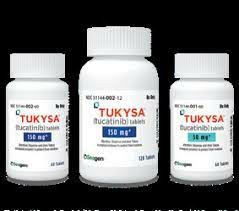
Treatment with tucatinib is usually long-term and continued until disease progression or the patient experiences unacceptable toxicity. When the disease is under control and there are no serious side effects, patients may continue to take tucatinib for several months or even longer to continue to inhibit the growth and spread of tumor cells.
However, if a patient's disease progresses during treatment, doctors will reassess whether to continue using tucatinib or switch to other treatment options. This assessment is usually based on the results of imaging studies and clinical evaluation. Once disease progression is confirmed, doctors may adjust treatment plans to ensure the patient gets the best results.
During treatment, patients may experience side effects such as diarrhea, hand-foot syndrome, nausea, and vomiting. Doctors will adjust the dosage of tucatinib or temporarily stop the drug according to the severity of the side effects, and then resume treatment after the symptoms are relieved to improve the patient's tolerance and quality of life.
As each patient responds to Tucatinib (Tucatinib)Responses and tolerances vary, so treatment needs to be individualized. Doctors conduct regular imaging studies, blood tests, and clinical evaluations to ensure treatment effectiveness and safety, and to develop the most appropriate treatment plan for each patient to improve treatment effectiveness and tolerability.
[ 免责声明 ] 本页面内容来自公开渠道(如FDA官网、Drugs官网、原研药厂官网等),仅供持有医疗专业资质的人员用于医学药学研究参考,不构成任何治疗建议或药品推荐。所涉药品可能未在中国大陆获批上市,不适用于中国境内销售和使用。如需治疗,请咨询正规医疗机构。本站不提供药品销售或代购服务。


