
.jpeg)
Does Tucatinib need to be taken for life? Analyzing treatment cycles and individualized adjustments
Tucatinib (Tucatinib), as an oral targeted drug against HER2 -positive breast cancer, has shown significant efficacy in patients with advanced or metastatic breast cancer whose disease has progressed despite multiple anti-HER2 treatments. However, whether tucatinib needs to be taken for life is not a fixed answer, but depends on the comprehensive consideration of many factors.
The primary treatment goal of tucatinib is to control the progression of HER2-positive breast cancer. For some patients, the drug can significantly extend progression-free survival (PFS) and overall survival (OS). When the disease is effectively controlled without serious side effects, patients may need to take tucatinib (tucatinib) for a long time to consolidate the treatment effect and prevent recurrence of the disease.
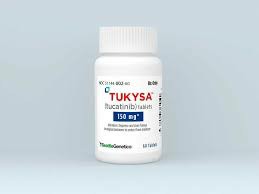
However, if a patient's disease progresses while taking tucatinib , doctors will reassess whether to continue using the drug or switch to another treatment. This often requires close monitoring of disease status with periodic imaging and clinical evaluation. Once disease progression is confirmed, the treatment plan may be adjusted accordingly to find more effective treatments.
Long-term use Tucatinib may also cause some side effects, such as diarrhea, hand-foot syndrome, nausea and vomiting, etc. The doctor will flexibly adjust the drug dosage or temporarily stop the drug according to the severity of the side effects, and then resume treatment after the symptoms are relieved. If side effects cannot be effectively controlled, other treatment options may need to be considered.
It is important to note that each patient’s condition and response to treatment is unique. Therefore, the treatment plan of tucatinib (tucatinib) needs to be individually adjusted according to the specific situation of the patient. Doctors will regularly conduct imaging examinations, blood tests and clinical evaluations on patients to ensure treatment effectiveness and safety, and flexibly adjust treatment plans based on the evaluation results.
As medical research continues to advance, new anti-cancer drugs and treatments are emerging. Patients and doctors can work together to discuss whether there are other suitable treatment options to optimize treatment results. Participating in clinical trials may also bring new treatment opportunities to patients and provide them with the opportunity to receive the latest treatment options.
[ 免责声明 ] 本页面内容来自公开渠道(如FDA官网、Drugs官网、原研药厂官网等),仅供持有医疗专业资质的人员用于医学药学研究参考,不构成任何治疗建议或药品推荐。所涉药品可能未在中国大陆获批上市,不适用于中国境内销售和使用。如需治疗,请咨询正规医疗机构。本站不提供药品销售或代购服务。


