
.jpeg)
Does oral use of ixazomib have any effects on the liver?
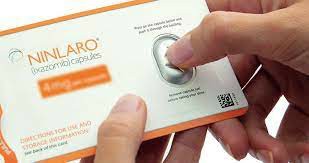
Ixazomib (trade name: Ninlaro) is the world's first oral proteasome inhibitor. It was approved for marketing by the U.S. FDA in November 2015. It mainly blocks the protein degradation process in tumor cells by inhibiting the activity of the proteasome, thereby achieving the purpose of inhibiting tumor growth. Ixazomib is commonly used in combination with lenalidomide and dexamethasone in a three-drug combination regimen for the treatment of adults with multiple myeloma who have received at least one prior therapy.
Oral use of ixazomib may have certain effects on liver function, leading to abnormal liver function. This is mainly manifested by the increase in liver enzymes (such as alanine aminotransferaseALT, aspartate aminotransferaseAST, etc.), and abnormalities in other liver function indicators. The degree of abnormal liver function may vary depending on individual differences. In mild cases, there may be no obvious symptoms, while in severe cases, symptoms such as jaundice, loss of appetite, and fatigue may occur.
Ixazomib is primarily metabolized by the liver and is also excreted by the kidneys. This metabolism and excretion process may increase the burden on the liver and kidneys, especially for patients with long-term medication or hepatic and renal insufficiency. Therefore, during the use of ixazomib, patients should undergo regular liver function tests to detect and deal with possible liver function abnormalities in a timely manner.
Abnormalities in liver function have been observed in clinical trials of ixazomib. Doctors will adjust drug dosage or suspend treatment based on the patient's specific condition and liver function test results to reduce damage to the liver. In addition, clinical trials have also shown that most liver function abnormalities caused by ixazomib are reversible, that is, liver function indicators can gradually return to normal after stopping the drug or adjusting the dose.
During treatment, patients should undergo regular liver function tests, including measurement of liver enzymes, bilirubin and other indicators. This helps to detect abnormal liver function in time and take appropriate measures to deal with it.
Once abnormal liver function is found, doctors will adjust the dose of ixazomib or suspend treatment according to the specific situation. For patients with more severe hepatic impairment, longer medication adjustments or alternative treatment regimens may be needed.
During periods of abnormal liver function, patients may need to receive supportive treatment, such as the use of hepatoprotective drugs, vitamin supplements, etc., to promote the recovery of liver function.
There may be individual differences in the response to ixazomib among different patients. Therefore, during the treatment process, patients should pay close attention to their physical condition and promptly communicate with their doctors about any discomfort or abnormal symptoms.
Ixazomib usually needs to be taken in combination with other medications. When taking drugs together, attention should be paid to the interactions between drugs to avoid increasing the burden on the liver or causing other adverse reactions.
For special groups such as those with liver and kidney dysfunction and the elderly, more caution should be exercised when using ixazomib. The doctor will adjust the drug dosage or treatment plan according to the patient's specific condition to ensure the safety and effectiveness of the treatment.
Oral use of ixazomib may have certain effects on the liver, leading to abnormal liver function. However, this effect is usually reversible and can be effectively controlled with close monitoring and timely adjustments by a physician. Therefore, while using ixazomib, patients should undergo regular liver function tests and maintain close communication with their doctors to ensure the safety and effectiveness of treatment. At the same time, patients should also pay attention to individual differences, concomitant medications, and usage precautions for special groups to minimize the adverse effects of the drug on the liver.
[ 免责声明 ] 本页面内容来自公开渠道(如FDA官网、Drugs官网、原研药厂官网等),仅供持有医疗专业资质的人员用于医学药学研究参考,不构成任何治疗建议或药品推荐。所涉药品可能未在中国大陆获批上市,不适用于中国境内销售和使用。如需治疗,请咨询正规医疗机构。本站不提供药品销售或代购服务。


