
.jpeg)
How effective is dasatinib in the treatment of leukocytosis?
The clinical therapeutic effect of Dasatinib (Dasatinib) on leukocytosis, especially its application in hematological diseases such as chronic myelogenous leukemia (CML) and other related diseases, has been extensively studied and verified.
Dasatinib is an oral tyrosine kinase inhibitor (TKI), mainly used to treat Philadelphia chromosome-positive (Ph+) chronic myeloid leukemia (CML) patients who are resistant or intolerant to imatinib mesylate. It blocks the signaling pathways of leukemia cells and inhibits their proliferation and survival by specifically inhibiting ABL, SRC family kinases and ephrin receptor kinases.
An increase in white blood cells can be caused by a variety of reasons, including infection, inflammation, stress response, and blood system diseases. In blood system diseases, such as CML, the increase in white blood cells is due to the unrestricted proliferation of the granulocyte system caused by the BCR-ABL fusion gene. Dasatinib blocks this abnormal signaling pathway and reduces the abnormal proliferation of white blood cells by inhibiting BCR-ABL kinase activity.
Dasatinib has shown significant efficacy in patients with chronic myelogenous leukemia. Clinical studies have shown that dasatinib can rapidly reduce white blood cell counts, relieve disease symptoms, and improve patient prognosis. Compared with the first-generation TKI imatinib, dasatinib has a stronger inhibitory effect on BCR-ABL and can overcome imatinib resistance, thereby achieving better control of the disease.
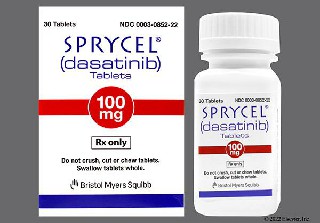
Although dasatinib may cause some side effects during treatment, such as bone marrow suppression, nausea, vomiting, etc., its safety profile is generally good. Most patients are able to tolerate dasatinib treatment and can reduce side effects by adjusting dosage or taking other measures under the guidance of their physician.
Long-term follow-up data show that dasatinib treatmentCMLPatients can experience long-term survival benefits. For patients in the chronic phase, first-line treatment with dasatinib shows good efficacy and safety, and can quickly achieve deeper remission and reduce disease progression. At the same time, dasatinib is also widely used in second-line treatment. For patients who are resistant or intolerant to imatinib, dasatinib can provide an effective alternative treatment option.
In addition to CML, dasatinib is also used to treat other types of hematological diseases, such as acute lymphoblastic leukemia (ALL), myelodysplastic syndrome (MDS), etc. In these diseases, dasatinib has also shown certain efficacy, especially in patients with BCR-ABL fusion genes or abnormal activation of related kinases. However, it should be noted that dasatinib is not the first choice treatment option for these diseases, and its specific application needs to be determined based on the patient's specific situation and the doctor's recommendations.
There are individual differences in the response of different patients to dasatinib. Therefore, the patient's white blood cell count and other related indicators need to be closely monitored during treatment to adjust the treatment plan in a timely manner.
Dasatinib may cause some side effects, such as bone marrow suppression, nausea, vomiting, etc. During the treatment process, the patient's physical condition and hematological indicators need to be closely monitored to detect and deal with side effects in a timely manner.
Dasatinib treatment usually requires long-term treatment, with regular review to evaluate the efficacy and safety of the treatment. Patients should take medications on time and participate in reexaminations under the guidance of a doctor to ensure the effectiveness and safety of treatment.
[ 免责声明 ] 本页面内容来自公开渠道(如FDA官网、Drugs官网、原研药厂官网等),仅供持有医疗专业资质的人员用于医学药学研究参考,不构成任何治疗建议或药品推荐。所涉药品可能未在中国大陆获批上市,不适用于中国境内销售和使用。如需治疗,请咨询正规医疗机构。本站不提供药品销售或代购服务。


