
.jpeg)
How should patients with chronic myelogenous leukemia be treated for thrombocytopenia after taking dasatinib?
Thrombocytopenia is a common side effect in patients with chronic myelogenous leukemia (CML) taking dasatinib and requires a range of measures to be managed and monitored. , patients should seek medical treatment promptly and report thrombocytopenia to the doctor. Doctors will evaluate the risk of bleeding based on the patient's specific symptoms, platelet count, and other relevant indicators, and develop appropriate treatment plans.
If the thrombocytopenia is due to excessive inhibitory effects of dasatinib, your doctor may consider adjusting the dose of the drug. Reducing the dose may help lessen the inhibition of platelet production, thereby improving platelet counts.
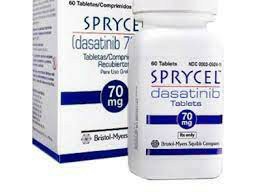
In some cases, doctors may recommend temporarily stopping dasatinib to observe recovery of platelets. After stopping the drug, if the platelet count gradually rises, it means that the thrombocytopenia is related to the drug. You can consider readjusting the dose and continuing the treatment after the platelets recover.
Under the guidance of a doctor, patients can use some platelet-raising drugs for treatment, such as platelet-raising capsules, compound saofen pills, etc. These drugs can stimulate bone marrow hematopoiesis and promote platelet production.
Patients can also take vitaminsB6 tablets, folic acid tablets and other supplementary hematopoietic raw materials as directed by the doctor, which can help improve the hematopoietic function of the bone marrow and promote the production of platelets.
While taking dasatinib, patients should regularly monitor blood routine, especially platelet count. This helps to understand changes in platelets in a timely manner and adjust treatment plans based on monitoring results.
Thrombocytopenia will increase the patient's bleeding risk, so doctors will assess the patient's bleeding risk and take appropriate preventive measures. Patients should avoid strenuous exercise and physical trauma to reduce the occurrence of bleeding. At the same time, if the patient develops skin petechiae, ecchymosis or other bleeding symptoms, he should seek medical treatment in time.
[ 免责声明 ] 本页面内容来自公开渠道(如FDA官网、Drugs官网、原研药厂官网等),仅供持有医疗专业资质的人员用于医学药学研究参考,不构成任何治疗建议或药品推荐。所涉药品可能未在中国大陆获批上市,不适用于中国境内销售和使用。如需治疗,请咨询正规医疗机构。本站不提供药品销售或代购服务。


