
.jpeg)
What are the effects of taking Vancevir/Valganciclovir after kidney transplantation?
Late-onset cytomegalovirus disease is an emerging problem in transplant patients receiving cytomegalovirus(CMV)prophylaxis. Official guidelines recommend 3 months of oral prophylaxis for seronegative kidney transplant patients who received organs from seropositive donors (R-/D+), and prophylactic or preemptive treatment for seropositive recipients. Although this approach has significantly reduced CMV morbidity and mortality, approximately 18% of patients still develop late-onset CMV disease. Although the reasons for this are unclear, prophylactic treatment with potent drugs such as Valganciclovir may impair the host's ability to mount a specific CMV response by inhibiting viral replication during this period.
Based on the above findings, those who oppose extending the course of CMV preventive treatment believe that extending the course of preventive treatment will only continue to delay the onset of CMV disease while increasing the chance of drug toxicity and drug resistance. Study results showed that pediatric kidney transplant patients who received 6 months of prophylaxis had a lower incidence of late-onset cytomegalovirus disease (follow-up 4.5% after 2 years).
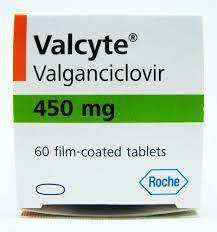
Few studies have focused on the incidence of CMV infection in the pediatric renal transplant population, and none have examined late-onset CMV disease. Previously reported, in the era withoutCMV prophylaxis, the incidence of CMV disease in the pediatric kidney transplant population was 12.3%. One study reported rates of CMV viremia and CMV disease of 35% and 9.6%, respectively; however, there is no real comparison between these two studies because they had different prophylaxis approaches (the latter prophylaxis using valganciclovir and hyperimmune globulin administration). Data on valganciclovir prophylaxis at 3 months versus 6 months and the onset of CMV disease in children are not available.
In the adult literature, the incidence of late-onset disease has been approximately 8% to 12% in previous reports of patients who received only3 months of treatment. Studies comparing 3-month and 6-month regimens have shown better outcomes with the 6-month regimen, with no significant increase in toxicity or resistance. Among patients who received more than 180 days of treatment in the lung transplant population, freedom from CMV infection and disease was higher after valganciclovir prophylaxis.
A randomized, prospective, double-blind study in high-risk renal transplant recipients—Improving Cytomegalovirus Protection in Transplantation (IMPACT) The results showed that patients who received 200 days of valganciclovir prophylaxis had significantly less cytomegalovirus disease 2 years after transplantation than those who received 100 days of treatment (21.3 vs. 38.7, P < 0.008).
In conclusion, the use of valganciclovir to prevent CMV infection in children with kidney transplantation is safe and effective. Extending valganciclovir prophylaxis to 6 months may reduce the incidence of late-onset CMV disease without significantly increasing toxicity and resistance.
[ 免责声明 ] 本页面内容来自公开渠道(如FDA官网、Drugs官网、原研药厂官网等),仅供持有医疗专业资质的人员用于医学药学研究参考,不构成任何治疗建议或药品推荐。所涉药品可能未在中国大陆获批上市,不适用于中国境内销售和使用。如需治疗,请咨询正规医疗机构。本站不提供药品销售或代购服务。


