
.jpeg)
Seleniso's triplet considered second-line option for multiple myeloma
The BOSTON study [NCT03110562] looked at selinexor in the setting of early relapse, so 402 patients were treated with lines 1 to 3. This is a phase 3 trial with two arms: seliniso, bortezomib, dexamethasone (SVd) versus bortezomib and dexamethasone (Vd). Bortezomib was administered differently in the second group; the Vd group was given every two weeks. The primary endpoint is progression-free survival (PFS). Patients were stratified according to whether they had ever taken bortezomib. More than half of the patients were older than 65 years, and less than 20% had Revised International Staging System stage III high-risk disease.
Baseline characteristics were well balanced between the two arms. 17p deletion was found in 11% of the supraventricular tachycardia group [n=95] and 8% of the supraventricular tachycardia group [n=007]. Most patients received 1 course of treatment, so most patients were at first relapse, and most patients had previously received bortezomib, so many patients had initially received VRd [bortezomib, lenalidomide (Revlimid), dexamethasone] or had received some bortezomib-based regimen in the first line, which is slightly different from our case. In this study, many patients took bortezomib before taking selinesol and bortezomib. Not many of them were on daratumumab; only 6% of patients who received SVd and 3% of patients who received Vd had daratumumab. But most people had taken bortezomib before joining the study.
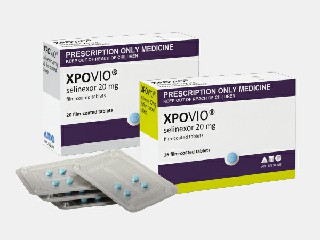
There is certainly a PFS advantage to adding selinesol to bortezomib and dexamethasoneParticularly in those who had previously received bortezomib, the median PFS was 13.93 months for SVd compared with 9.46 months for Vd, and the HR was 0.70 [95% CI, 0.53-0.93; P=0.0075]. As a result, the risk of death or progression was reduced by 30% with triplet. So if selinesol is added to bortezomib, patients may become sensitized to it again, even though they had it before their first relapse. .
The objective response rates for SVd and Vd were 76.4% and 62.3%, respectively, so the triplet group had a higher response rate. 2 The median duration of response was approximately 1 month in both groups, with the median duration of response being longer in the SVd group, thus 20.3 months and 12.9 months [Vd group], respectively.
Subgroups such as cytogenetics, prior usedaratumumab, renal impairment, age, and prior bortezomib use did influence the results. Addition of selinesol was effective in all patients regardless of cytogenetics. Patients with high-risk cytogenetics did better when selinesol was added. Older patients had better median PFS with the addition of selinesol.
AboutAdverse events [AE] of SVd, most are hematological adverse events. Thrombocytopenia was common; 60% of patients had any degree of thrombocytopenia [in the SVd group]. About one-third had any grade of anemia, and 15% had any grade of neutropenia. Any level of fatigue was common, occurring in 42% of cases. Gastrointestinal adverse events were common; half of the patients had any degree of nausea. About a quarter of patients lose weight, and about a third of patients at any level experience a loss of appetite. A large number of patients in the study required dose adjustments [treatment-related adverse events discontinuation, SVd 21%, Vd 16%].
[ 免责声明 ] 本页面内容来自公开渠道(如FDA官网、Drugs官网、原研药厂官网等),仅供持有医疗专业资质的人员用于医学药学研究参考,不构成任何治疗建议或药品推荐。所涉药品可能未在中国大陆获批上市,不适用于中国境内销售和使用。如需治疗,请咨询正规医疗机构。本站不提供药品销售或代购服务。


